Anjar Eco Park
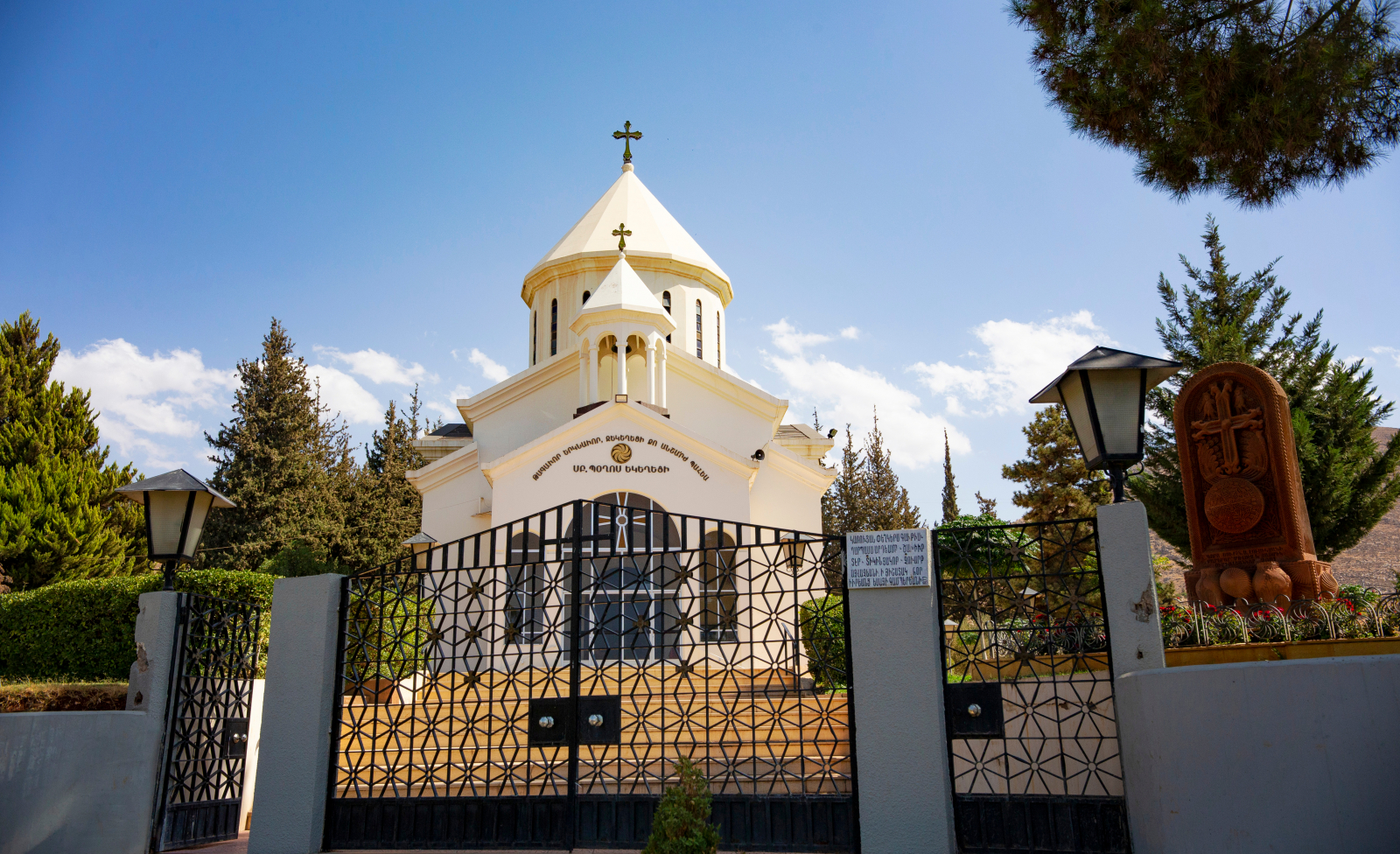
Armenian Apostolic Saint Paul Church
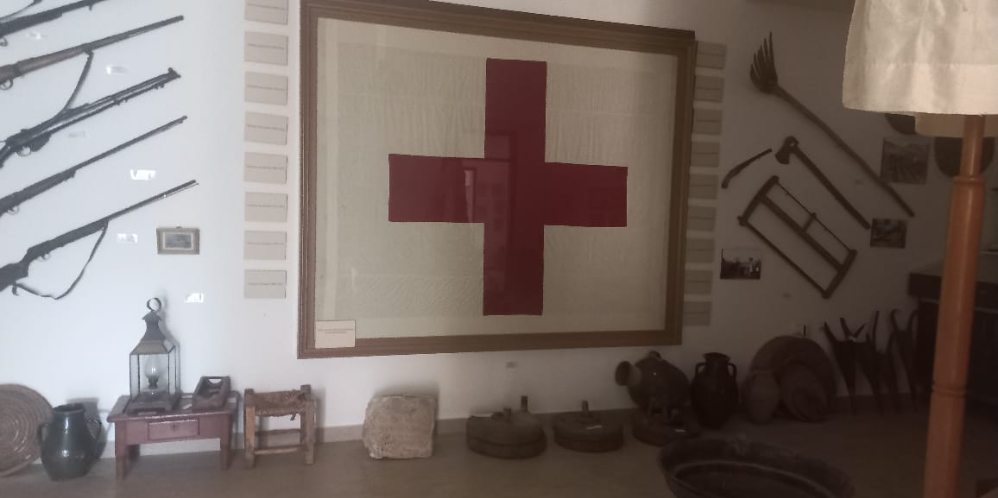
Moussa Ler Ainjar Museum
Umayyad city of Anjar
An Atypical City
Visit the Site
Anjar Art Gallery
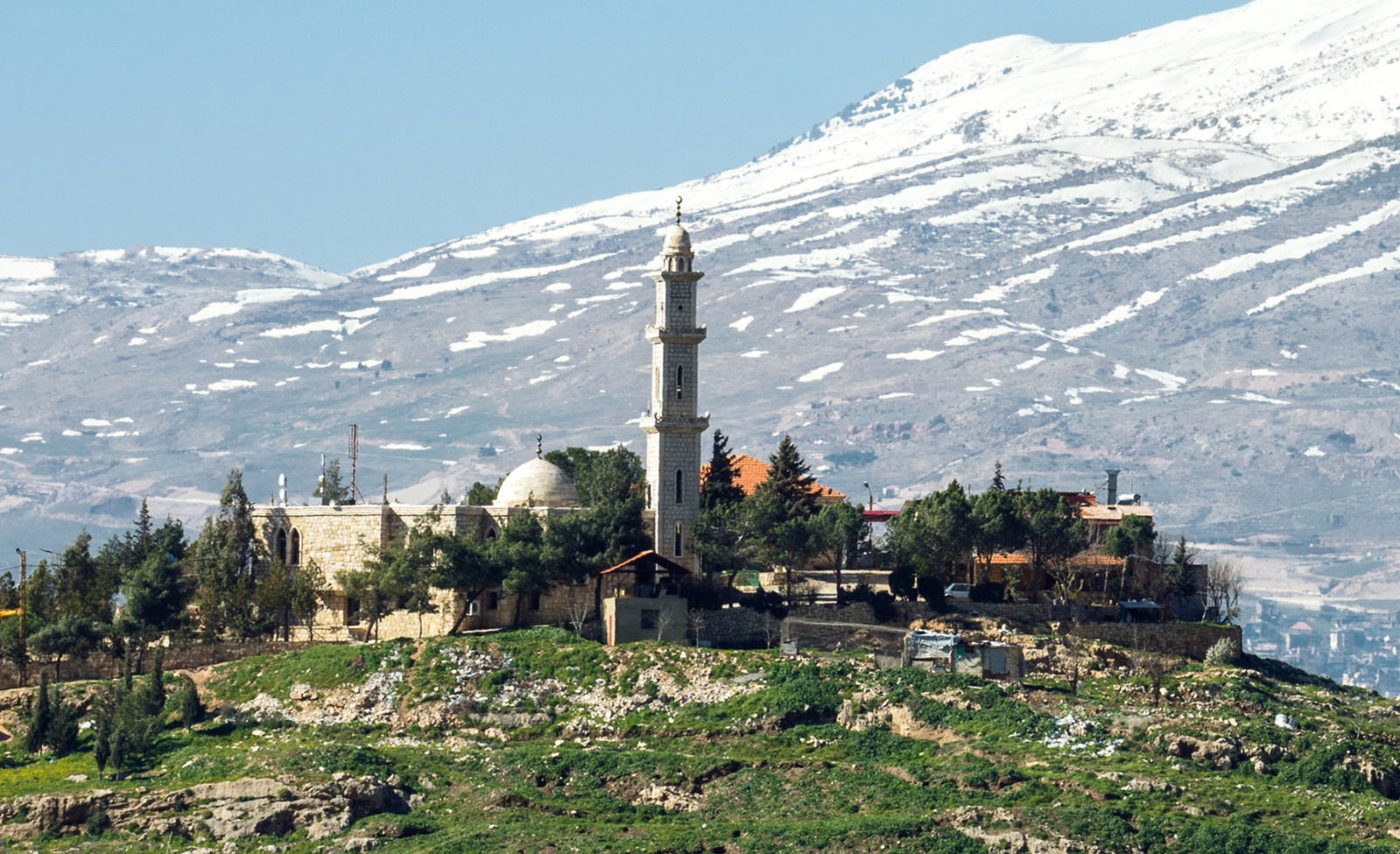
Mosquée Tal Al-Nabi
Majdel Anjar Temple
Salim Araji Museum
Al Manara Temple
Taanayel Lake Park
Saint Georges Church - Al Khodr



.svg)
.svg)
.svg)
.svg)
.svg)
.svg) Natural Site
Natural SiteAnjar Eco Park
Anjar, Zahle District
ChurchArmenian Apostolic Saint Paul Church
Anjar, Zahle District
MuseumMoussa Ler Ainjar Museum
Inaugurated on September 14, 2019, to mark the 80th anniversary of the founding of Anjar, the Moussa Ler Museum is dedicated to preserving and sharing the Armenian history and heritage, particularly that of the people of Anjar whose roots trace back to the historic region of Moussa Ler.
The museum’s mission is to revive collective memory, strengthen the connection between younger generations and their roots, and offer visitors an authentic glimpse into the community’s rich and resilient history. Through objects, testimonies, and exhibitions, we share a powerful and meaningful historical experience.
📍 Opening Hours:
Monday to Friday: 10 AM to 2 PM, and on call in the afternoon until 5 PM
Weekends (Saturday & Sunday): by appointment
Anjar, Zahle District
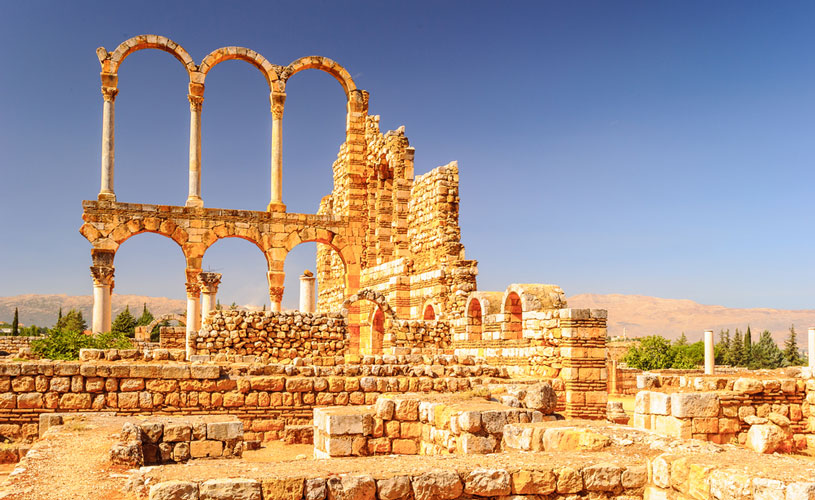
Archaeological site +45.0Umayyad city of Anjar
A visit to this archeological site is a must! Not too far from the impressive renowned Baalbek site, Anjar is a testament to an old civilization’s presence in Lebanon.
An old trade city, Anjar was founded in the 8th century after Jesus Christ. It dates back to the Omeyyades epoch, a Caliphs’ dynasty that ruled the Islamic world from 661 to 750. Surrounded by a seven-meter long and two-meter-thick wall, this city is built on a rectangular plan of 370m by 310m, in accordance with the model of the city and the Roman camp. This point is surprising: even though this city was founded by Caliph Al-Walid the 1st (668-715), the sixth Omeyyade Caliph, it looks like a Roman city… This is only one of its many distinctions.
An Atypical City
Anjar is the unique example of a trade center located on land as opposed to on the seaside. The city is located at the intersection of two important streets: the one that leads from Beirut to Damascus from West-East, and the North-South street that passes through Bekaa and leads from Homs to Baalbek then to Southern Lebanon.
Therefore, Anjar is at a crossroads, decorated with colonnades: Cardo Maximus and Documanus Maximus. This crossroad’s strategic position was ideal for trade. Moreover, this city was situated in a rich agricultural Lebanese zone, near one of the most important sources of the Litani River.
Anjar is different from the other archeological sites of Lebanon: firstly, because of the difference of the relics discovered in the Cedar Land, it seems that it has been relatively founded at the beginning of the 8th century after Jesus Christ. Secondly, because it seems that it only lasted a few decades and therefore does not hold traces revealing the presence of successive societies having been established through the epochs. Archeologists have given back life to this city in the fifties.
Visit the Site
When we visit the site nowadays, we feel like we are entering a little city in which only foundations remain. With a little bit of imagination, we can easily complete the walls, build roofs for the houses, and see the merchants walking through the passages on which visitors stroll.
But in Anjar, it is not only about streets and relic shops, there are other ruins that must be visited:
- The Grand Palais (the Big Palace): it was the first monument discovered in 1949. The restoration operations have allowed the reconstruction of a wall as well as the main arcades.
- The ruins of the Mosque (in the north of Le Grand Palais): This mosque boasts a size of 45 x 32 meters. It includes two public entrances as well as a private one for the Caliph.
- The Petit Palais (the Little Palace): Covered with rich patterns of the pure Greco-Romanian tradition, the Petit Palais has preserved its original state.
- The Thermes (the Termal Baths): Just like the Romanian thermal baths, those of Anjar are divided into three sections: a big room that allowed social mingling as well as three other rooms for cold, warm, and hot water.
Anjar, Zahle District
Art GalleryAnjar Art Gallery
Anjar, Zahle District
MosqueMosquée Tal Al-Nabi
Anjar, Zahle District
Historical site +1Majdel Anjar Temple
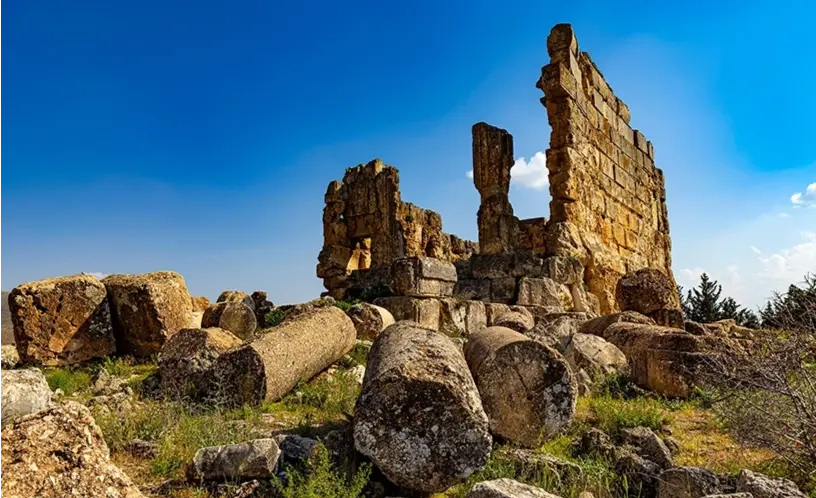
Set atop a tell — an artificial mound formed by layers of ancient human settlements built one on top of the other — this large rectangular Roman temple was constructed between 41 and 48 CE.
Centuries later, it was converted into a medieval fortress, a remarkable transformation that speaks to the site's long and complex history.
Majdel Anjar, Zahle District
MuseumSalim Araji Museum
In the village of Bir al-Yass near Zahle, a modest two-story house holds one of Lebanon’s most unusual private museums. It is the life’s work of Salim Araji, a former public security officer born in 1954, who devoted more than four decades to quietly amassing a remarkable collection of artifacts. What began as a youthful curiosity for old objects turned into a lifelong mission to preserve cultural memory.
Inside, visitors encounter a dense tapestry of history — rows of ancient weapons, tools, coins, and personal objects, each with a story to tell. Among the highlights are more than a hundred antique firearms, some reaching back to the 14th century, including rare flintlock and percussion-lock models that trace the evolution of arms across time and region. Swords, spears, and fragments of armor echo forgotten battles and ancestral craftsmanship, while engraved relics speak to lost empires and traditions.
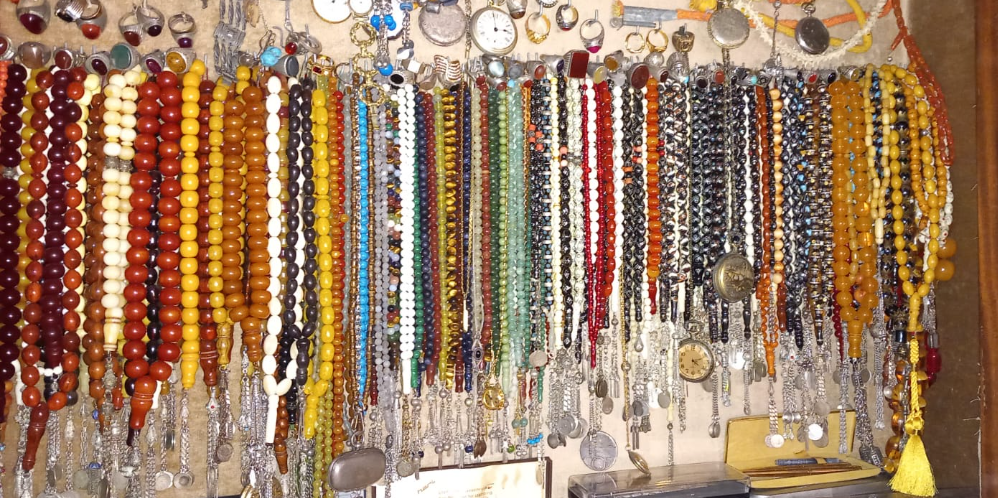
The collection extends far beyond weaponry. Araji has carefully gathered Roman, Ottoman, and early Islamic coins; silver household items; old postage stamps; and vintage paperwork dating back to the 1960s. The walls and shelves are lined with handmade tools, hand mills, and threshing equipment that offer a glimpse into the rural lives of earlier generations. Scattered throughout are small treasures — carved gemstones, ornate coffee sets, centuries-old hookahs, and pens and lighters from another era — each chosen for its cultural value, not its market price.
What makes this museum extraordinary is not just the objects themselves, but the story of the man behind them. Without institutional support or formal training, Salim Araji created a space of memory and identity. He has repeatedly turned down offers to sell or fragment his collection, insisting that it remain whole and accessible. For him, this is not about profit, but about preserving the intangible threads of local heritage.
In 2023, Lebanon’s acting Minister of Culture, Judge Mohammad Wissam Al-Murtada, visited the museum and expressed interest in bringing it under the umbrella of national cultural institutions. While formal recognition is still pending, the museum stands today as a quiet but powerful reminder of the value of individual initiative in cultural preservation — one man’s tribute to the past, shared with the public, from the heart of the Beqaa.
Bar Elias, Zahle District
Archaeological site +2Al Manara Temple
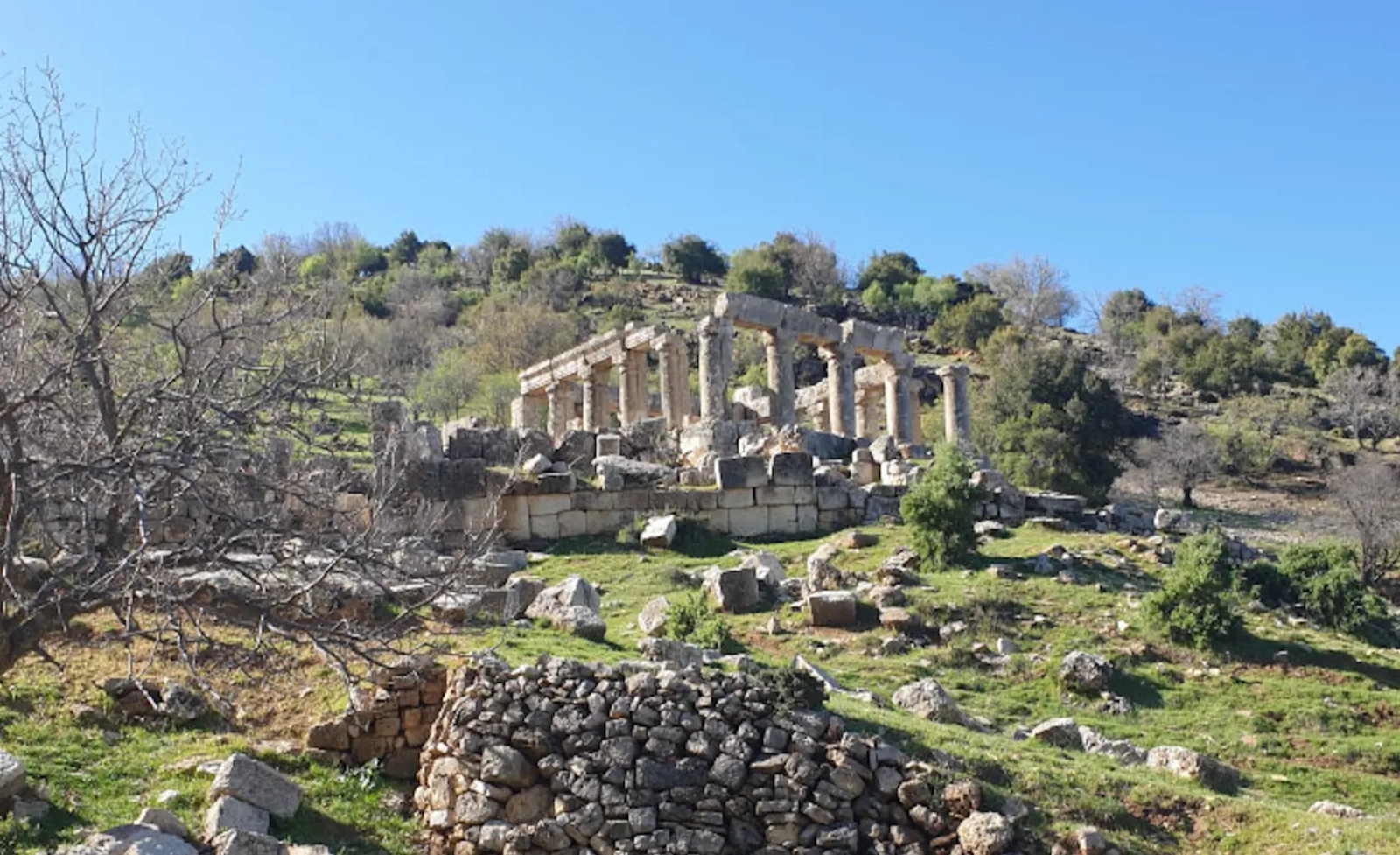
Perched at 1,160 meters above sea level, between two wooded hills in the quiet Western Bekaa, the Al Manara Temple — also known as Qasr el-Wadi or Aïn Qania — is a hidden gem of Roman heritage in Lebanon. Located about 65 km east of Beirut, this archaeological site offers a timeless escape, blending nature and history.
Located 65 km from Beirut, the site is reached by foot via a 2-kilometer dirt path, marked from the Grand Mosque of Manara village. The walk winds through open landscapes and wild hills, offering scenic views and a peaceful atmosphere.
Built in 179 AD and dedicated to Zeus-Jupiter, the sanctuary follows a nearly square tetrastyle layout, with sixteen columns surrounding a central altar. Slightly bulging in the middle — a nod to classical optical design — the short columns give the temple a sturdy yet elegant feel. The structure is enclosed by a peribolos and was later transformed into a Byzantine church. A semicircular apse, engraved crosses, and a lintel repurposed with a Byzantine-style cross bear witness to this transition from pagan to Christian use.
Below the temple, several adjoining rooms were likely used by monks or pilgrims, hinting at a time when this quiet site was part of a spiritual network.
Still off the beaten path, Al Manara Temple charms visitors with its authenticity and its setting amid unspoiled nature. It is part of a constellation of ancient sanctuaries scattered across the Bekaa — including Bakka, Khirbet Knissé, and Dekweh — reflecting how Roman religious influence spread deep into Lebanon’s rural heartlands.
Manara, Western Beqaa District
Lake +1Taanayel Lake Park
Taanayel, Zahle District
ChurchSaint Georges Church - Al Khodr
Ayta el Fekhar, Rashaya District
What is MOOVTOO ?PartnersContact usFAQLegal MentionsData Protection PolicyTerms and ConditionsCheck out our privacy policy