Viewpoint on Akroum
Viewpoint on Homs
Akroum's old olive oil press
Al-Nir Plateau
Al-Nir Cave
Wadi Jhanam / Death Valley
Akroum Roman Temples
Viewpoint on Wadi Es-Sabaa
Es-Sabaa Valley
Wadi Es-Sabaa Babylonian steles
Wadi Es-Sabaa
Mount Akroum
Saint Elias Monastry
Oudine Valley
Old Silk Factory
Notre-Dame de Qamma’a
Saydet el Ghassalet
Silk Factory Qoubaiyat
Aandqet Silk Factory
Helesban Park
The Cross
Permanent Science Museum
Saint Doumit Monastry
Notre Dame Chahlo
Saint Challita Monastery
Our Lady of Dahr Church
Sainte Moura Church
Mayor Hajj of Aydamoun
Saint Georges Monastry
Vallée d’Helsban
The White Spring
Ecological house
Canaanite Tombes
Zabboud spring
Rock Bridge
Iron Oak Forest of Kobayat
Kef Wehbe



.svg)
.svg)
.svg)
.svg)
.svg)
.svg) Natural Site +1
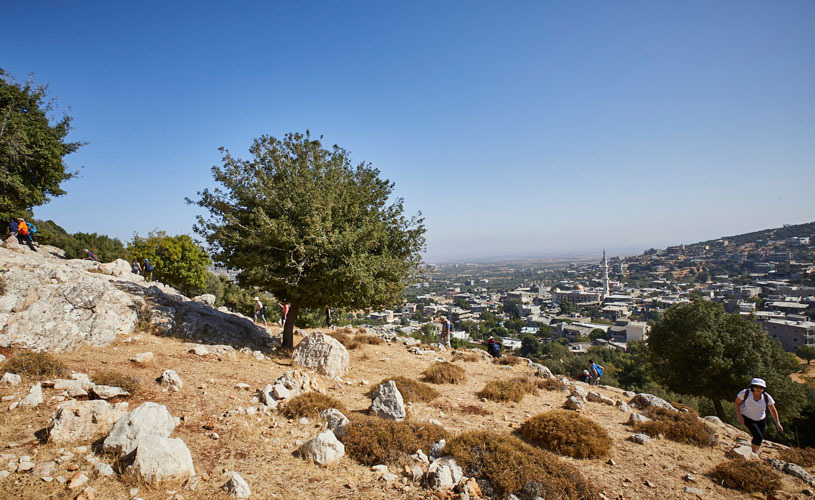
Natural Site +1Viewpoint on Akroum
Akroum, Akkar District
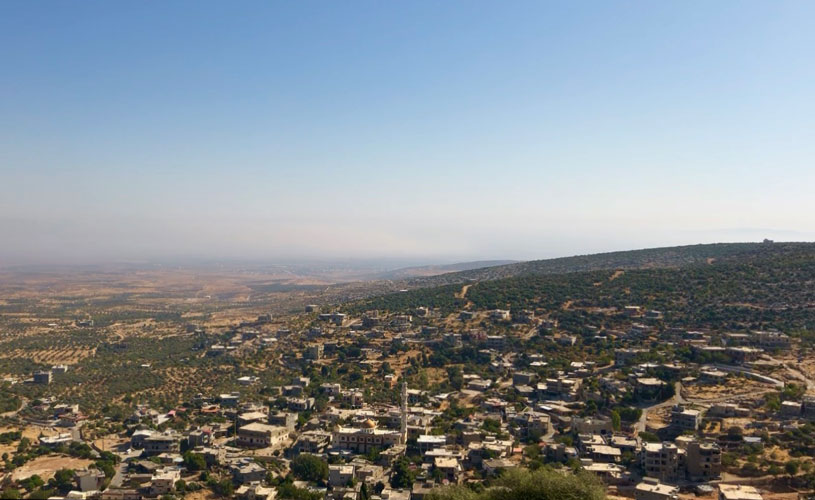
Natural Site +1Viewpoint on Homs
Akroum, Akkar District
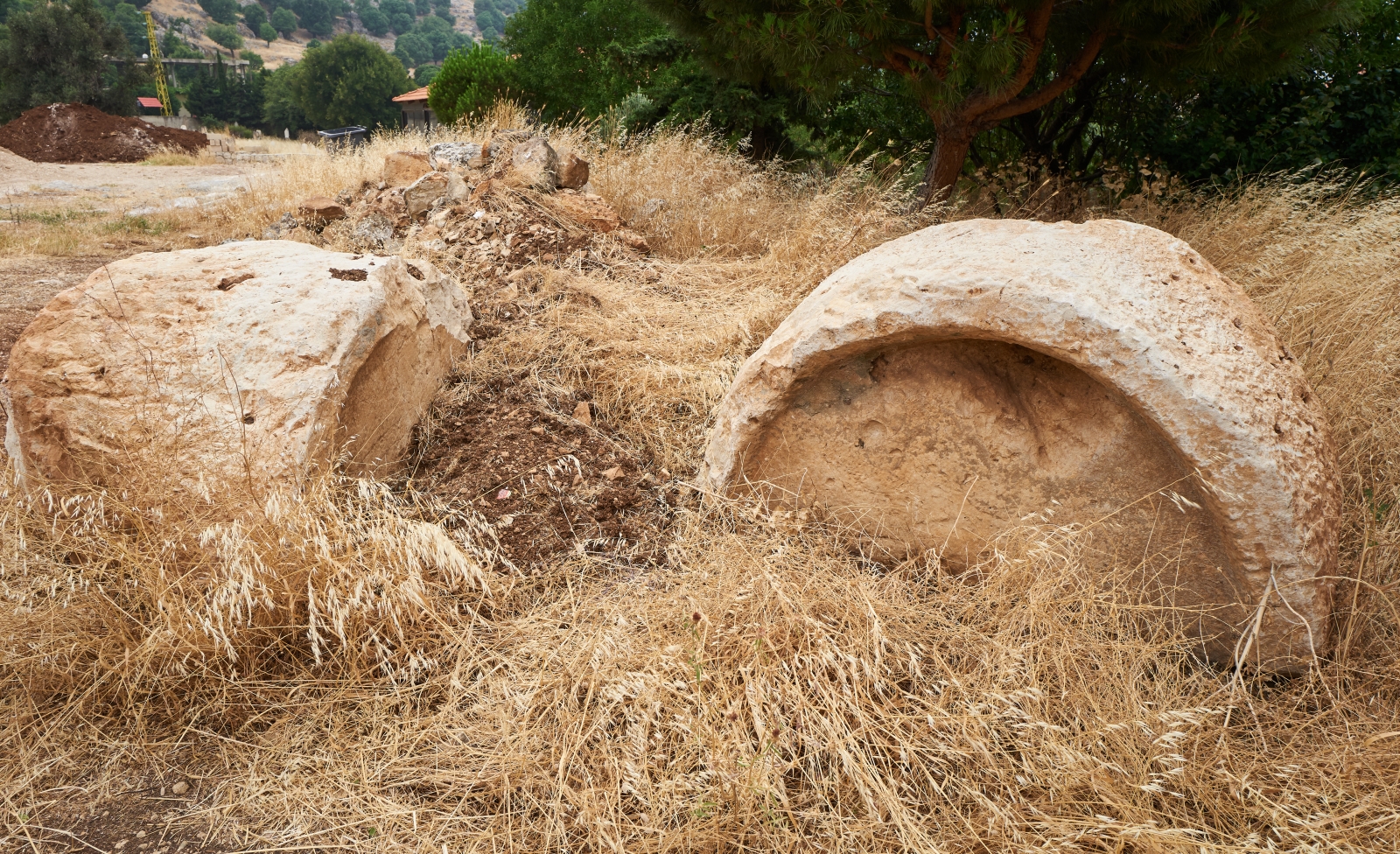
Historical siteAkroum's old olive oil press
Akroum, Akkar District
Natural SiteAl-Nir Plateau
Akroum, Akkar District
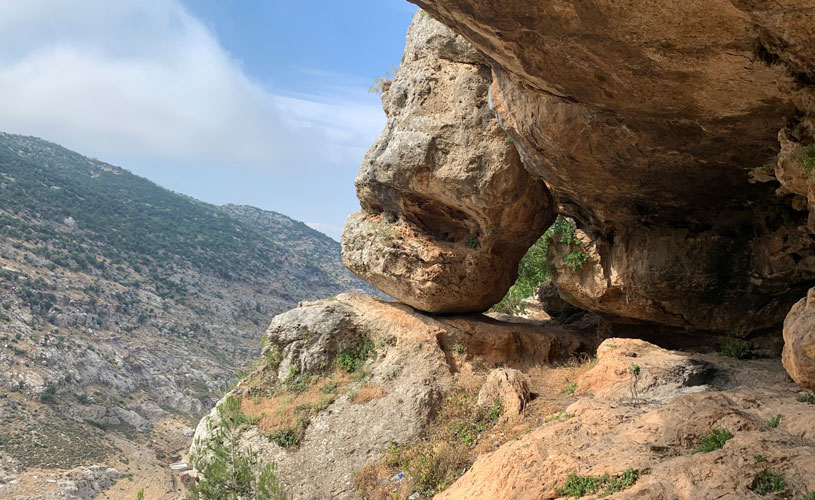
Cave / cavernAl-Nir Cave
Akroum, Akkar District
Natural SiteWadi Jhanam / Death Valley
Akroum, Akkar District
Archaeological site +2Akroum Roman Temples
In the far northeastern corner of Lebanon, perched at nearly 1300 meters above sea level, the village of Akroum shelters the remains of three Roman temples — silent witnesses to a past both mysterious and majestic.
Likely built between the 1st and 3rd centuries CE, these mountain sanctuaries are rarely visited today, but their presence in this rugged landscape is striking.
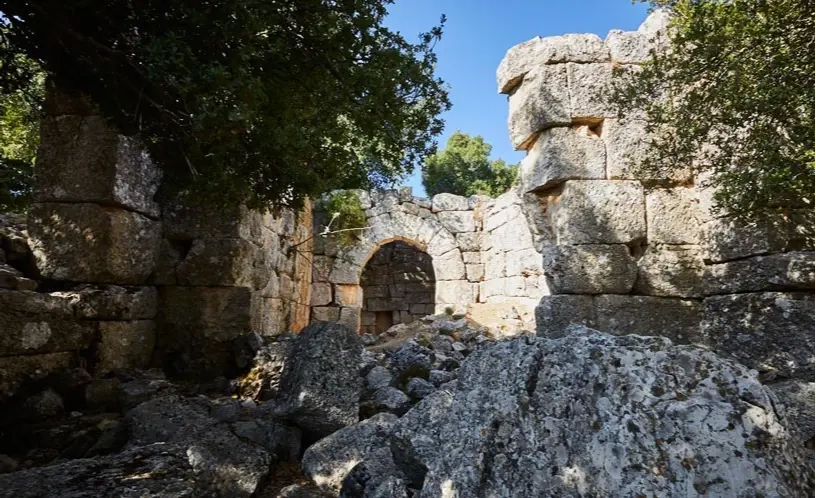
The first temple is still relatively well preserved. A monumental archway marks the entrance to the sacred space, leading into the main chamber or cella. Several walls remain standing, revealing the classical layout of a Roman podium temple, built from carefully cut limestone blocks, following techniques common to other mountain temples in the Mount Lebanon and Anti-Lebanon ranges.
The second temple, more ruinous, retains only some foundational stones and scattered blocks. Its layout is harder to discern, but its proximity to the first suggests a larger religious complex — possibly dedicated to a local triad or regional protective deities.
The third temple, slightly farther away, still has standing walls, though no columns or pediments remain. Its isolated position may point to a different function or a more nature-oriented form of worship.
Poorly documented and rarely studied, the Akroum temples raise many questions: To which gods were they dedicated? What role did Akroum play in the ancient religious geography of northern Lebanon? While we await answers, these ruins offer a fascinating stop for curious travelers and hikers drawn to ancient mysteries.
Akroum, Akkar District
Natural Site +1Viewpoint on Wadi Es-Sabaa
Akroum, Akkar District
ValleyEs-Sabaa Valley
Akroum, Akkar District
Natural Site +1Wadi Es-Sabaa Babylonian steles
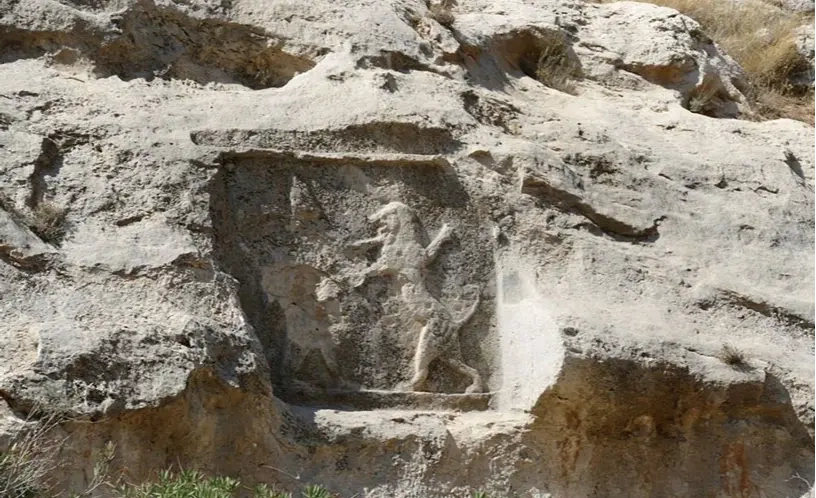
In Wadi Es Sabaa, two famous Babylonian stelae from the reign of Nabuchodonosor have been discovered. One of these stelae depicts a Babylonian man engaged in combat with a lion, which lends the valley its name. The second stela portrays a seated king or ruler holding an unidentified object in his right hand. The carvings on both stelae include various celestial symbols, such as the seven-segmented star of Astarte and a crescent-shaped bow.
Akroum, Akkar District
Natural Site +1Wadi Es-Sabaa
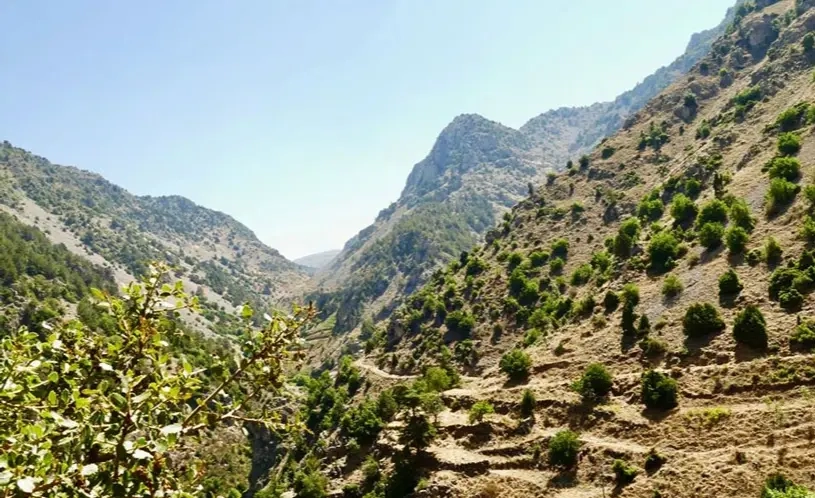
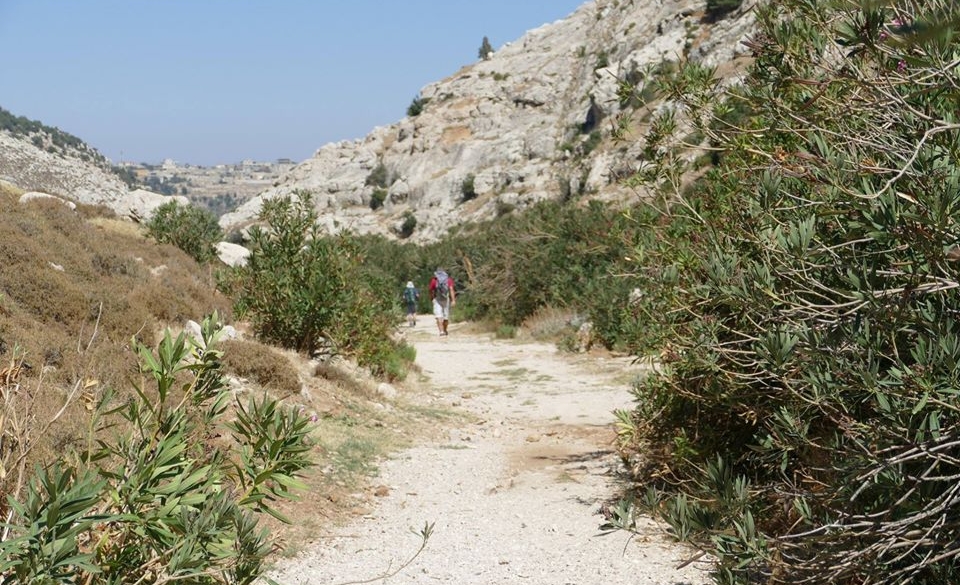
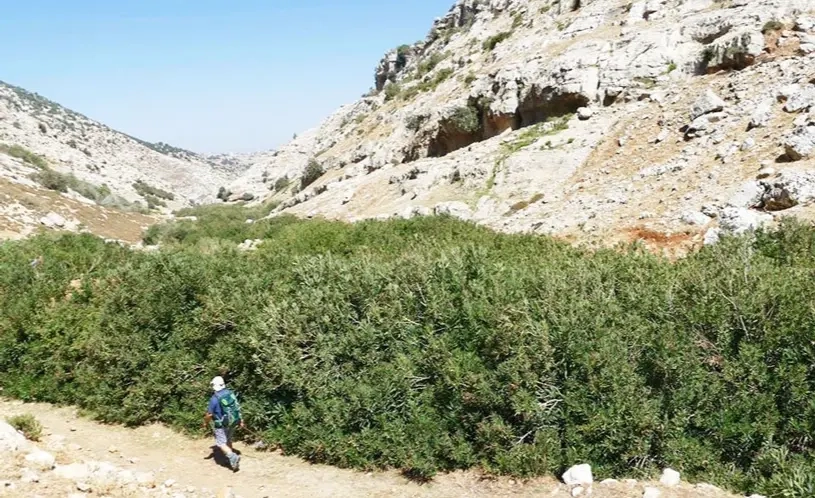
Located 70 km northeast of Beirut, Wadi Es Sabaa is a scenic valley near the villages of Akroum, Kfar Toun, and Mrah el Bsatine in North Lebanon. The valley is a popular destination for hikers, with a variety of picturesque paths to explore.
Throughout the year, the valley enjoys a pleasant climate, with temperatures ranging from a maximum of 28° C in July to a minimum of 6° C in January. Along the way, hikers can discover fascinating remnants of history, including two famous Babylonian stelae dating back to the reign of Nebuchadnezzar.
The first one depicts an individual wearing a crown and facing a lion standing on its hind legs. The second one, located beneath this site in Sheer el Sanam, features a carving of a king or ruler, seated, with an unidentified object in his right hand. The carvings also include various celestial symbols, such as the seven-segmented star of Astarte and a crescent-shaped bow.
Akroum, Akkar District
Sommet montagneuxMount Akroum
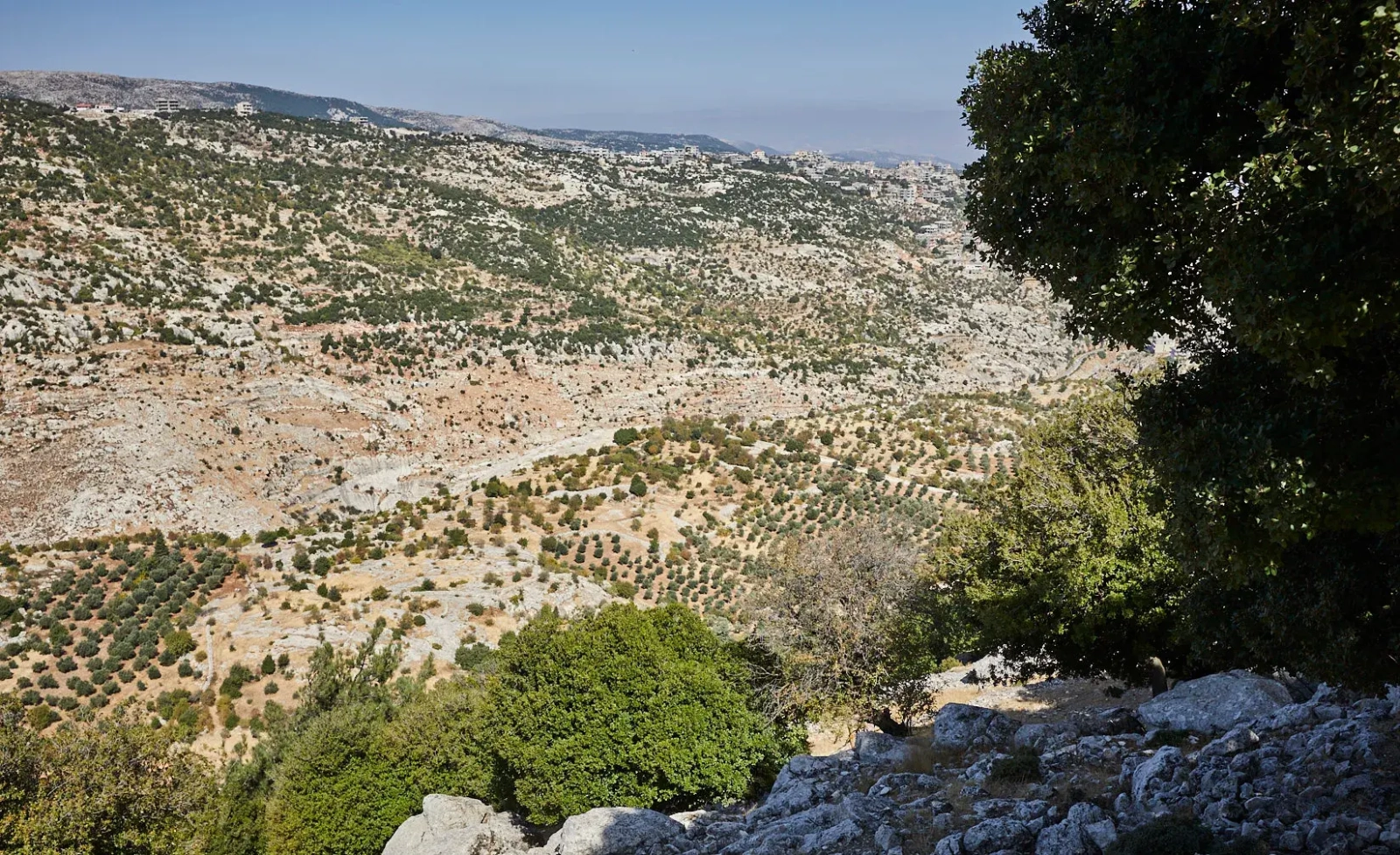
Mount Akroum, situated in northern Lebanon, encompasses several villages, including one named after the mountain itself. This rugged terrain flourishes with archaeological treasures dating back to Phoenician, Greek, Roman, Byzantine, and Islamic civilizations. Visitors can witness rocky necropolises and ancient tombs crafted from stone slabs or hewn into cliffs, as well as remnants of churches.
The village of Akroum boasts a Roman temple, a grand Byzantine church dedicated to Mar Shamshoum al-Jabbar (Saint Samson the Strong), and numerous water reservoirs. At a location called Jabal al-Hussein, two parallel structures are visible, with the best-preserved temple situated north of the site, featuring a main cell partitioned by a large arch. In proximity to this temple lies the ruins of another, larger temple, though the available remnants are not enough to identify its plan.
In Wadi es-Sebaa, known as the Valley of the Lion, visitors can behold two obelisks from the New Babylonian era. The first obelisk depicts a character adorned with a tiara standing opposite a lion standing on its hind legs. Approximately 60 meters above the lion stele, at a place called "Shir as-Sanam" or the Cliff of the Statue, lies another cone-shaped stele.
To reach the site, travel 60 kilometers from Halba. From Al-Abdeh, north of Tripoli, head towards Halba and continue on to Qubayyat, Aandaqet, and Akroum.
Akroum, Akkar District
MonasterySaint Elias Monastry
Andaket, Akkar District
Natural Site +1Oudine Valley
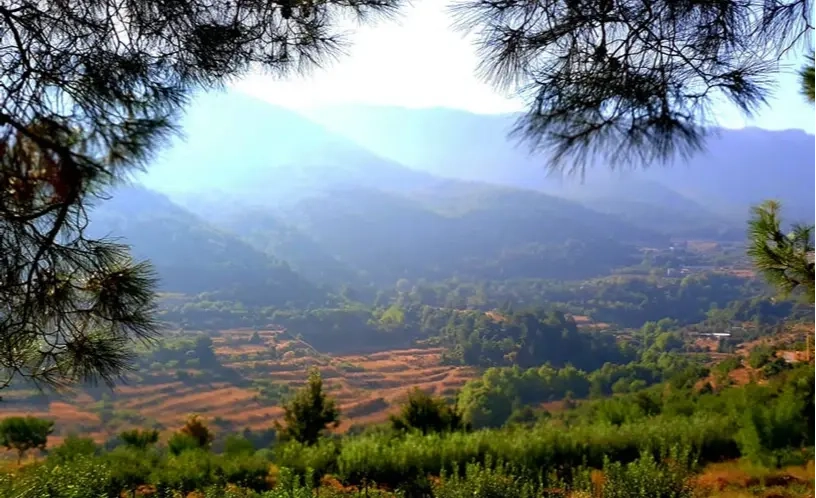
The Oudine valley is one of the widest valleys of Lebanon. It abounds with Calabrian pine trees, oaks, oriental strawberry trees, oriental plane trees, and cypresses.
There used to be a human presence in the valley, considering the ruins of dwellings, and especially the remains of convents and churches.
Finally, it is worth noting that Oudine holds significant geological significance due to the presence of the Yammoune fault line that passes through it.
Andaket, Akkar District
Historical siteOld Silk Factory
Andaket, Akkar District
ChurchNotre-Dame de Qamma’a
Qatlabah, Akkar District
ChurchSaydet el Ghassalet
Kobayat, Akkar District
Historical siteSilk Factory Qoubaiyat
Kobayat, Akkar District
Historical siteAandqet Silk Factory
Andaket, Akkar District
Natural SiteHelesban Park
Kobayat, Akkar District
Natural SiteThe Cross
Kobayat, Akkar District
MuseumPermanent Science Museum
The old school of the Saint Doumit Monastery, built in 1908 on the ruins of the "school under the oak tree", was transformed into a museum of Lebanese nature by Fathers François Tanb and Ayyoub Yaacub.
Today, more than 400 taxidermied birds and animals — both local and migratory species passing through the land of the Cedars — are displayed here for scientific and educational purposes.
In the first room, visitors are greeted by foxes, owls, porcupines, hyenas, and wildcats.
Most of the birds were captured in regions such as Akkar (Bazzina, al-Bireh, Qoubayat), West Bekaa, Hermel, the mountains of Kesrouan, and even in Beirut.
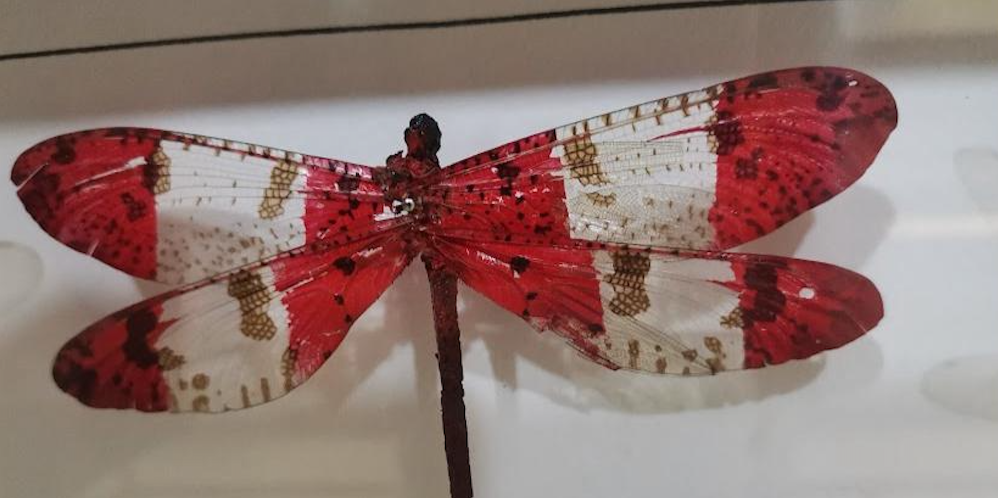
A second room showcases an extraordinary collection of 4,000 butterflies, arranged on the walls in a vibrant explosion of colors.
This museum offers a captivating glimpse into the richness of Lebanon’s natural heritage.
Kobayat, Akkar District
Monastery +1Saint Doumit Monastry
The Mar Doumit monastery was built by the Carmelites in 1836 on the site of a pagan temple that dates back to the Roman era.
Kobayat, Akkar District
ChurchNotre Dame Chahlo
Kobayat, Akkar District
Church +1Saint Challita Monastery
Qatlabah, Akkar District
ChurchOur Lady of Dahr Church
Kobayat, Akkar District
ChurchSainte Moura Church
Kobayat, Akkar District
MuseumMayor Hajj of Aydamoun
The museum is a unique heritage site housed in the former municipal residence of the Hajj family in Aydamoun, Akkar. It offers an authentic glimpse into the administrative, social, and cultural life of the village through collections of traditional furniture, vintage photographs, official documents, and artisanal objects. As a true place of memory, it reflects the historical role of the mayor within the community and aims to preserve local identity while raising awareness among visitors—students, researchers, and tourists alike—about the history and heritage of Aydamoun. Discreet yet rich in symbolism, the museum embodies the intergenerational transmission of civic and cultural legacy.
Aidamoun, Akkar District
MonasterySaint Georges Monastry
Kobayat, Akkar District
Natural Site +1Vallée d’Helsban
Qatlabah, Akkar District
Water springThe White Spring
Kobayat, Akkar District
Natural SiteEcological house
Qatlabah, Akkar District
Ancient TombCanaanite Tombes
The Canaanite tombs, which were hand-dug into caves, date back 3000 years.
Akkar el Atika, Akkar District
Water springZabboud spring
Akkar el Atika, Akkar District
Natural SiteRock Bridge
Akkar el Atika, Akkar District
ForestIron Oak Forest of Kobayat
Kobayat, Akkar District
Natural SiteKef Wehbe
Kobayat, Akkar District
What is MOOVTOO ?PartnersContact usFAQLegal MentionsData Protection PolicyTerms and ConditionsCheck out our privacy policy