Saint Michael Church
Maasser Al-Chouf Cedar Forest
Barouk Cedar Forest
Ain Wa Zein grotto
Saint Anthony Church
Sustainable Farmers' Market
Saint Elias Church
Shouf Biosphere Reserve
Moukhtara Palace
Baz Loom Museum
Baadaran Castle
Saint Elijah Church
Atelier Assaf
Saint Antoine Sisters Monastery
Saint Takla Monastery
Mount Barouk
Princess Shams Museum
Resurrection Baptist Church
Saint Kyrillos Church
Mir Amin Palace
كنيسة سيدة الانتقال
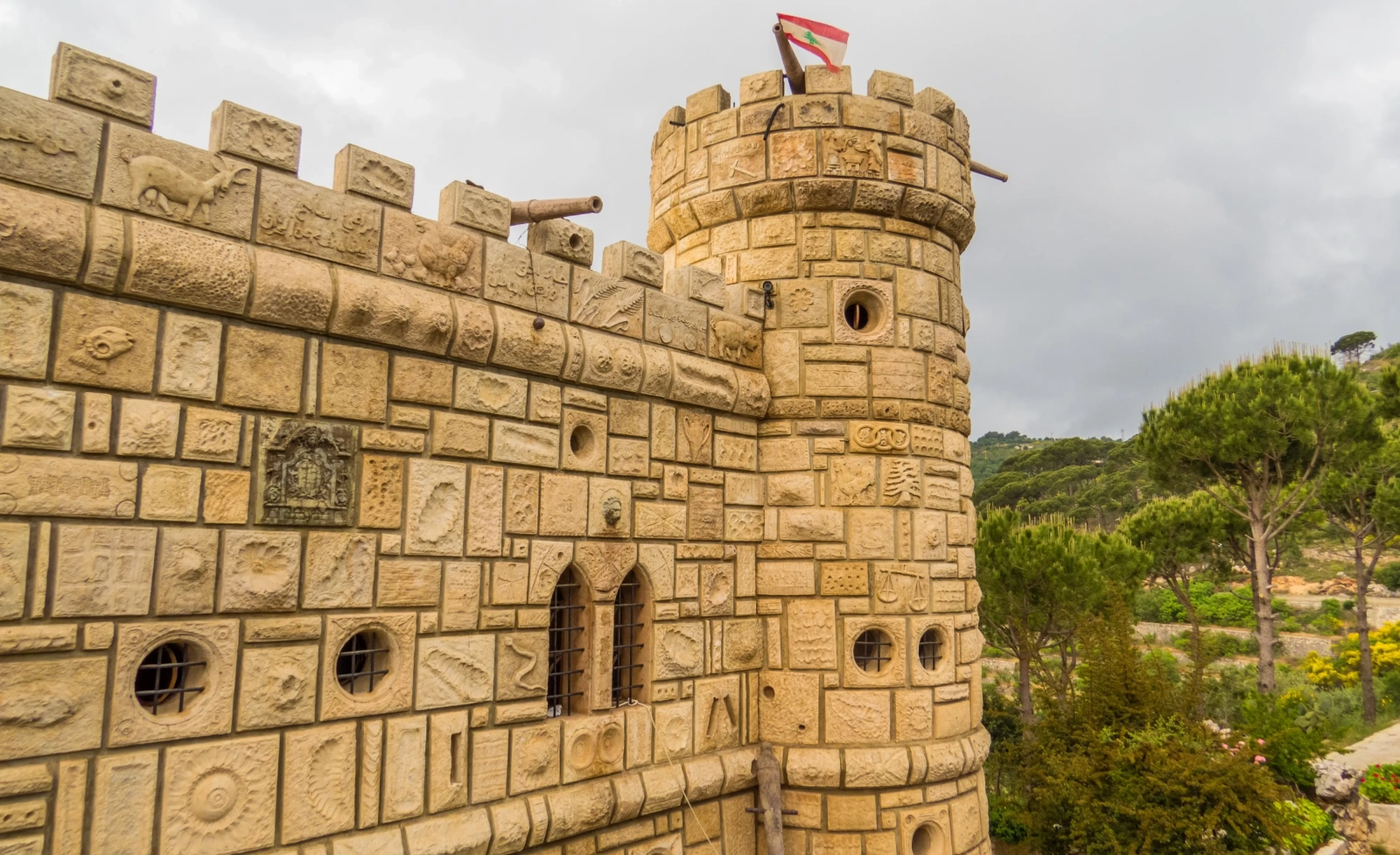
Moussa Castle
Beiteddine Palace Museum
Beiteddine Palace
The Palace is Home to Several Museums Rich in History
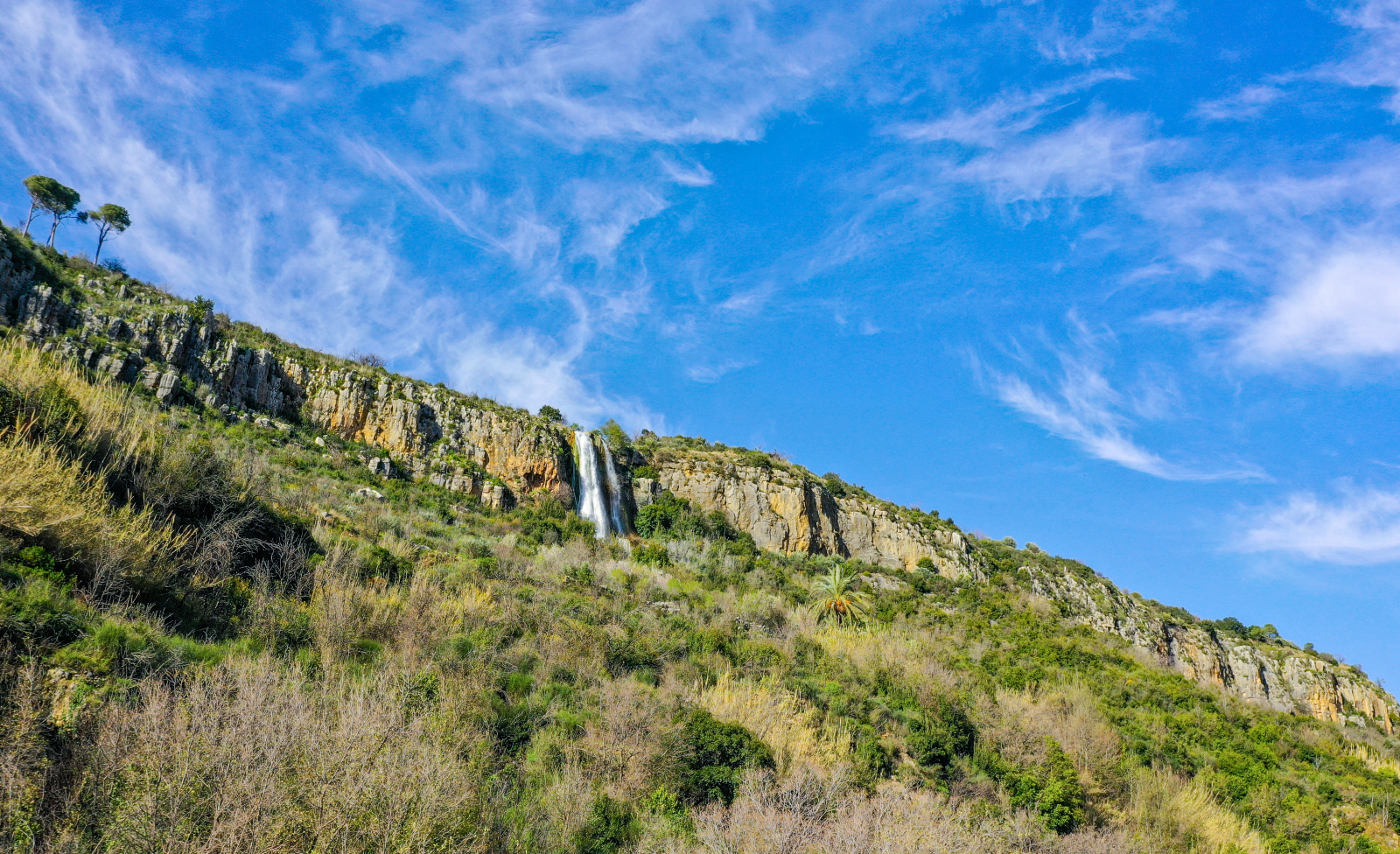
Rechmaya Waterfall
Couvent Saint-Michel



.svg)
.svg)
.svg)
.svg)
.svg)
.svg) Church +1
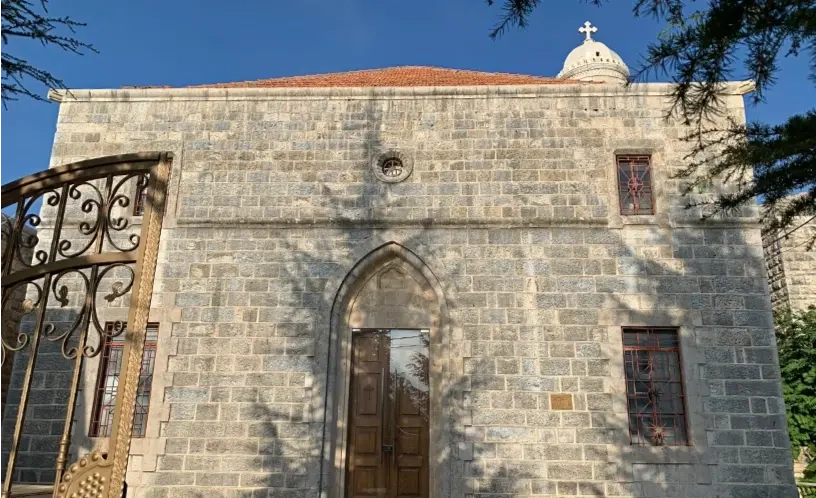
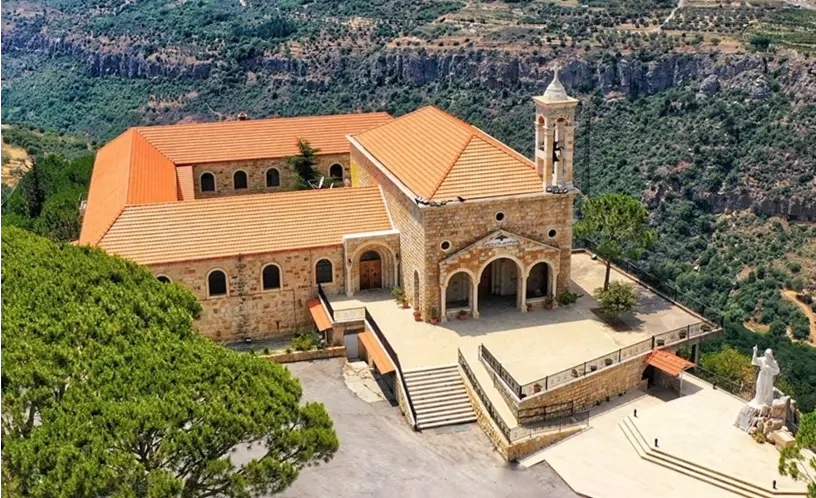
Church +1Saint Michael Church
Maasser el Chouf, Chouf District
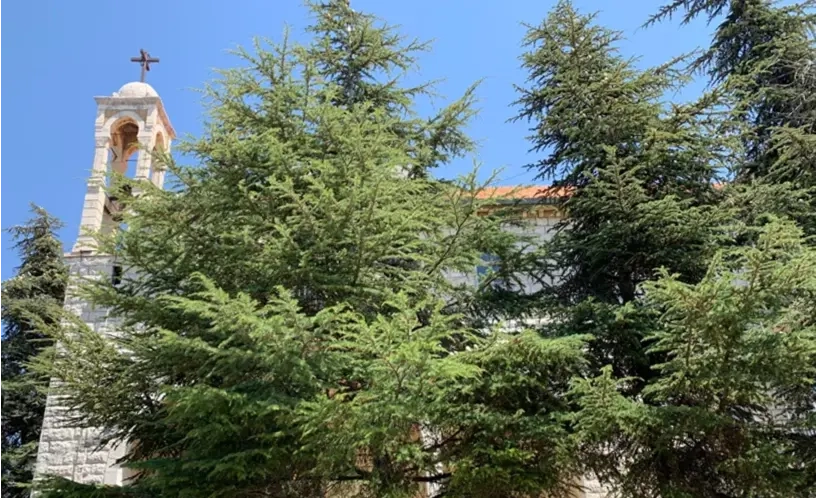
ForestMaasser Al-Chouf Cedar Forest
Maasser el Chouf, Chouf District
ForestBarouk Cedar Forest
Barouk, Chouf District
Cave / cavernAin Wa Zein grotto
Ain Wa Zein Grotto is situated at an altitude of 1040m above sea level in the town of Ain Wa Zain, 54 km away from Beirut and 9 km from the center of the Shouf District’s, Beit-Eddine. The Grotto stretches for an estimated 426 meters, close to the northern side of Ain Wa Zain and is regarded as a significant destination for tourists.
Discovered in 2003 and in the vicinity of glamorous natural surroundings, the grotto is appreciated due to its significance and contribution to the fields of science and history. Thanks to a team of individuals, their personal efforts highly contributed towards its initiation, founding, and care to make it one of the most gorgeous grottos in Lebanon.
The grotto is equipped with a combination of passageways, hallways, and vaults of various heights and widths. Strikingly true, this natural arrangement of structures is a result of accumulated water pressure under different depths. As a result of constant water pressure over the years, you can find hanging rock formations and an underground world that is regarded as a must-visit touristic destination in Lebanon.
All the geological elements inside the grotto can be seen clearly, making it an attractive destination for tourists, students, and researchers alike. The force of water over the years persistently filled cavities and tunnels to form breathtaking galleries and an overwhelming sensational experience. Human interference and imagination did not play a role in this underground spectacular venue, it is solely the work of nature.
Ain Wazein, Chouf District
ChurchSaint Anthony Church
Barouk, Chouf District
SoukSustainable Farmers' Market
Barouk, Chouf District
ChurchSaint Elias Church
Barouk, Chouf District
Biosphere Reserve +21.0Shouf Biosphere Reserve
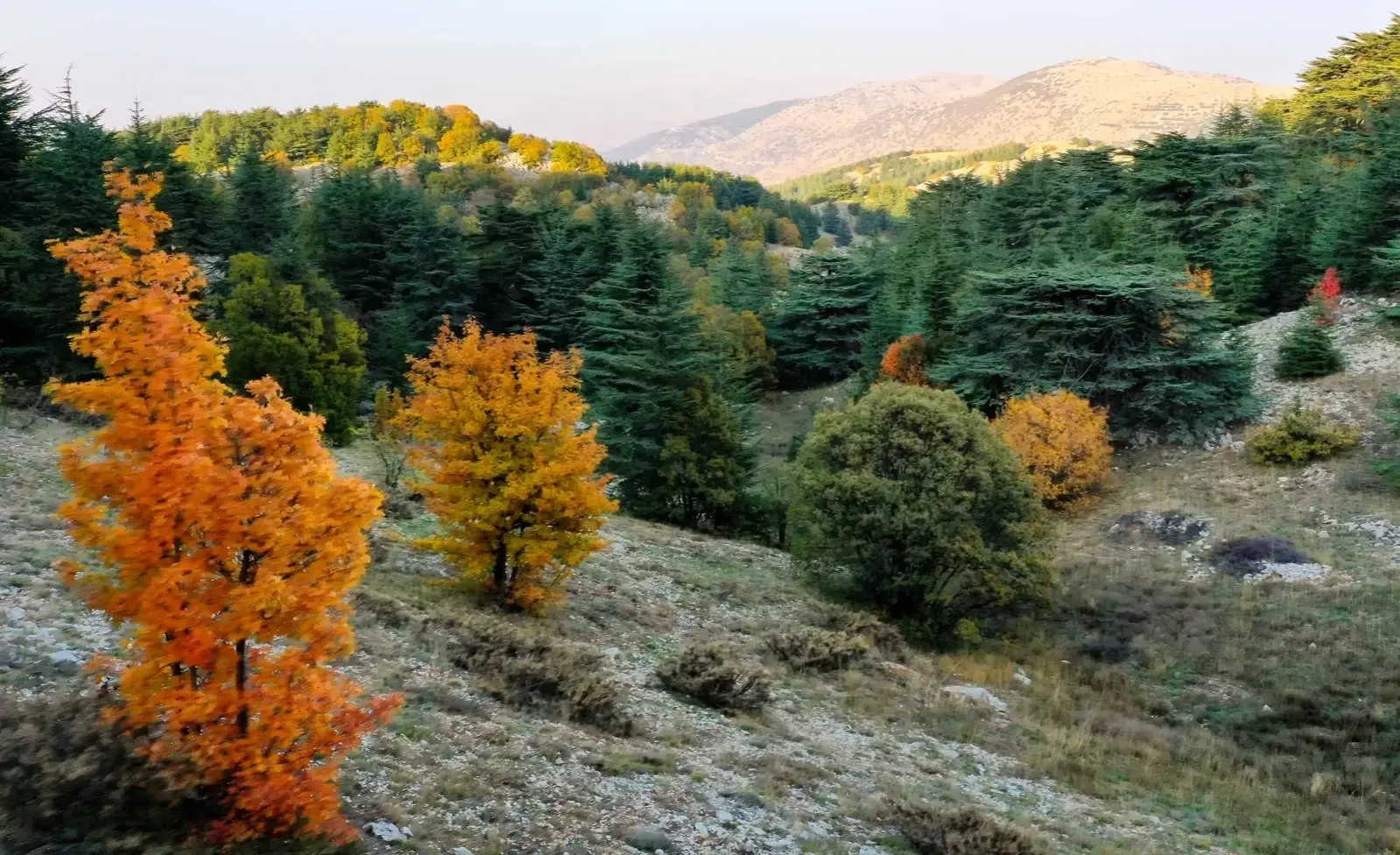
The largest of Lebanon nature reserves, Al-Shouf Cedar Nature Reserve stretches from Dahr Al-Baidar in the north to Niha Mountain in the south. Blanketed with oak forests on its northeastern slopes and juniper and oak forests on its southeastern slopes the reserve's most famous attractions are its three magnificent cedar forests of Maasser Al-Shouf, Barouk, and Ain Zhalta - Bmohary. These Cedar forests account for a quarter of the remaining cedar forest in Lebanon, and some trees are estimated to be 2,000 years old. The size of the reserve makes it a good location for the conservation of medium-size mammals such as the wolf and the Lebanese jungle cat, as well as various species of mountain and plants.
Barouk, Chouf District
Historical site +1Moukhtara Palace
Moukhtara, Chouf District
MuseumBaz Loom Museum
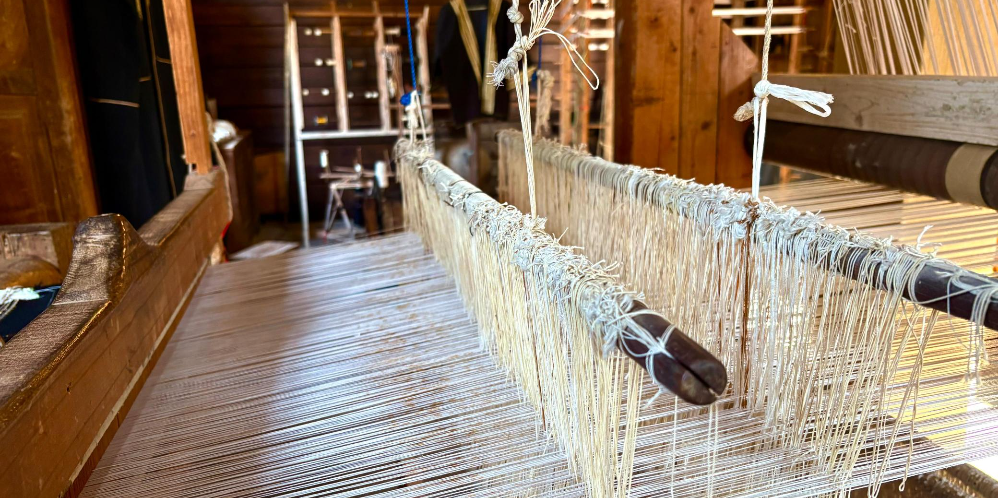
The Baz Loom Museum, located in Baadaran, Chouf, is a vibrant, living space nestled within the Baz Guesthouse, where the spirit of an ancestral craft still thrives. At the heart of this museum-workshop, Nazih Baz, heir to a long lineage of weavers, continues the tradition of handweaving on a century-old loom with up to 24 pedals, capable of producing magnificent fabrics, sometimes embellished with golden threads, once destined for royal garments and ceremonial wear.
This traditional loom is fully operational and open to visitors, who can witness the weaving process firsthand and listen to Nazih Baz—a true artisan-storyteller—share the history, techniques, origins, and secrets of this rare craft. For him, each thread is a note, each fabric a melody, turning the loom into a symphony of memory, identity, and hope.
In a world of rapid change, Nazih Baz remains steadfast in his mission: to preserve this intangible heritage and pass it on to future generations, no matter the cost. Like a tireless weaving shuttle, he knits stories of culture and history into every piece, creating a continuous thread of tradition.
Located just 58 km from Beirut, the museum is far more than a cultural stop—it’s an immersive experience, ideal for those passionate about Lebanese heritage, traditional craftsmanship, and local culture, all set within the lush landscape of the Chouf.
Baadarane, Chouf District
Fort +1Baadaran Castle
Baadarane, Chouf District
ChurchSaint Elijah Church
Baadarane, Chouf District
MuseumAtelier Assaf
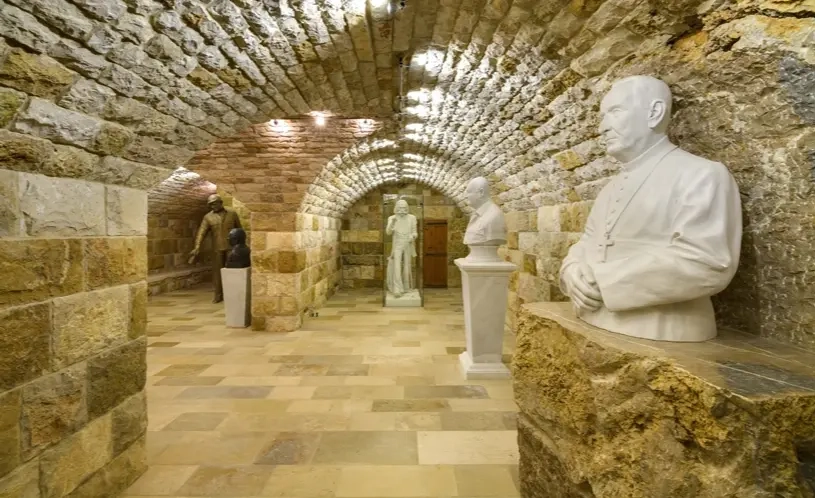
We are three brothers - Assaf, Mansour and Aref – who are innate sculptors, passing down a heritage of carving stone through the generations. We initially took the profession from our father Kamel Assaf and have since developed it, through the appreciation of ratios, dimensions, and the aesthetic standards of architecture and artistic sculpturing.
We were also influenced and mentored by the works of our godfather, the fine artist Aref Al Rayess, and those of our uncle, the fine artist Fouad Al Warhani.
Our work over the years entailed various types of privately commissioned visual art work (stone and bronze statues, sculptures, reliefs, and carvings) for individuals, private and public institutions. A number of these statues and sculptures are on display in our Atelier recently opened to the public in 2016.
Warhaniyeh, Chouf District
MonasterySaint Antoine Sisters Monastery
Majdel Maouche, Chouf District
MonasterySaint Takla Monastery
Aïn El Jawzé, Western Beqaa District
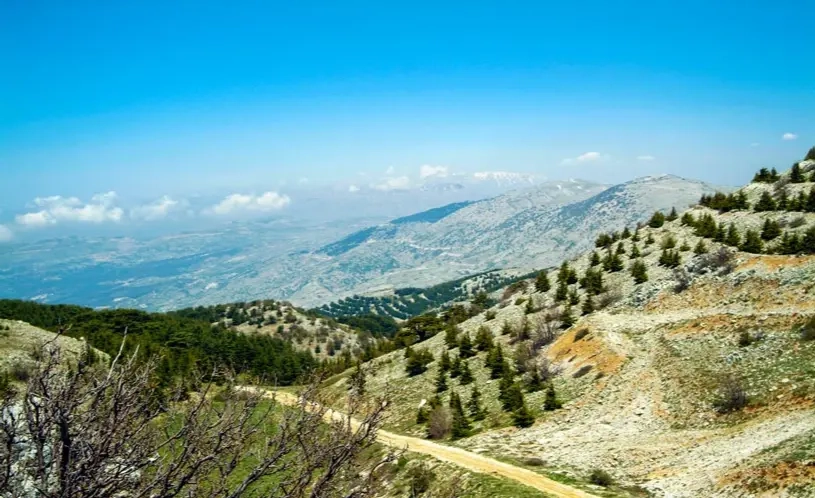
Sommet montagneux +1Mount Barouk
The summit of Mount Barouk, (or Jabal Al Barouk in Arabic), is situated within the Mount Lebanon mountain chain. It reaches 1,943 meters above sea level.
This mountain is home to the Chouf Nature Reserve, renowned for hosting the highest concentration of cedar trees in Lebanon.
Barouk, Chouf District
MuseumPrincess Shams Museum
Maasser Beiteddine, Chouf District
ChurchResurrection Baptist Church
Ain Zhalta, Chouf District
ChurchSaint Kyrillos Church
Ain Zhalta, Chouf District
Restaurant +1Mir Amin Palace
Beiteddine, Chouf District
Churchكنيسة سيدة الانتقال
Ain Zhalta, Chouf District
MuseumMoussa Castle
Beiteddine, Chouf District
Museum +1Beiteddine Palace Museum
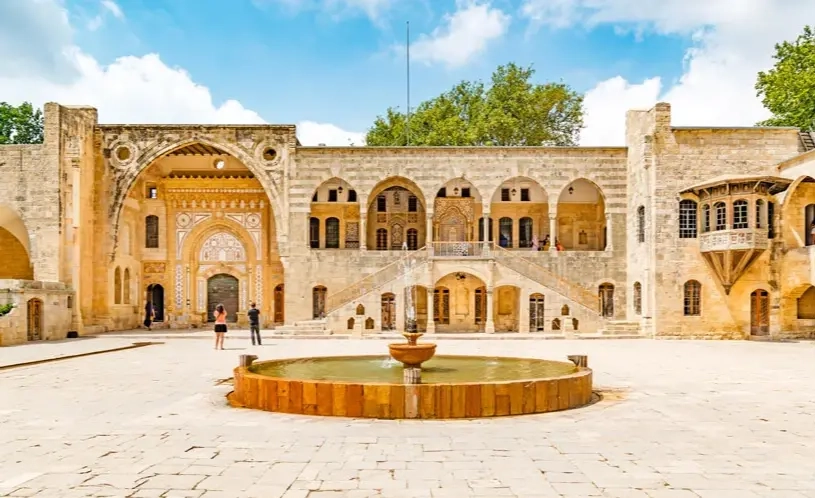
The Beiteddine Palace Museum, located in the Chouf region of Lebanon, is housed within one of the finest examples of 19th-century Ottoman palace architecture in the country.
The palace was built in the early 1800s by Emir Bashir Shihab II, a prominent governor of Mount Lebanon, and today stands as a major symbol of Lebanese heritage and history.
With its grand arches, elegant colonnades, richly adorned salons, intricately carved and painted ceilings, inner courtyards, fountains, and lush gardens, the palace is a museum in itself.
The main structure is divided into several wings, including the Diwan (reception hall), the Emir’s private quarters, and the harem wing — each reflecting the opulence and refined taste of the time.
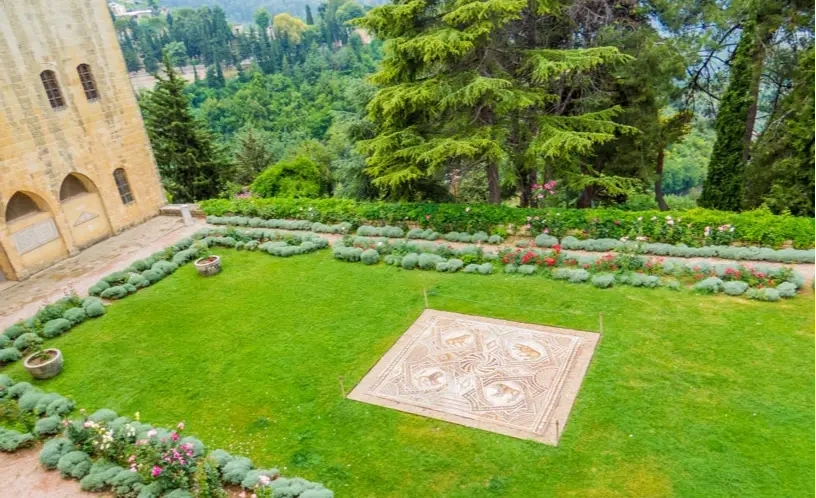
As for the museum collections, it features an exceptional display of Byzantine mosaics, mainly from the ancient city of Jiyé (Porphyreon). These well-preserved artworks depict scenes from nature, mythology, and daily life.
The museum also houses a variety of Islamic and Oriental art objects such as antique weapons, jewelry, ceramics, musical instruments, and everyday items — all illustrating the region’s rich cultural traditions.
Traditional furniture, garments, and historical artifacts also showcase the lifestyle of the emirs and the customs of Mount Lebanon.
Each summer, the palace hosts the Beiteddine Festival — one of Lebanon’s most renowned cultural events — which brings together music, dance, theater, and contemporary art exhibitions. This fusion of ancient heritage and modern creativity makes Beiteddine an exceptionally vibrant and captivating destination.
Beiteddine, Chouf District
Historical site +15.0Beiteddine Palace
When Emir Bachir II Chehab decided at the end of the 18th century to leave Deir El Kamar and build a new castle of his own, he chose the village of Beiteddine located 50 km south of Beirut and about 1000 meters above sea level. Built on a former Druze hermitage, and surrounded by terraced gardens and orchards, the palace of Prince Bachir encompasses three main courtyards: Dar el-Baranié or the outer section, Dar el-Wousta or the middle section, and Dar el-Harim or the private apartments.
It is in this latter section that emir Bachir settled in 1806. The outer courtyard, Dar el-Baranié, is 60m long. According to the Arab tradition, it was a reception place reserved for passers-by, but it was also a theater for festivities and gatherings and the starting point for hunts and war expeditions. Dar el-Wousta is the most formal section of the palace; it was the place of the Emir’s guards, secretaries and ministers. This central courtyard that can be reached through two monumental staircases and a majestic lavishly designed gate is decorated by water fountains. The stables are built around the outer courtyards. About 500 horses used to wait for their riders there. The northern section of the Palace is the Hammam. Accessible through the reception room. Bathers used to come to relax before and after the bath.
The Palace is Home to Several Museums Rich in History
On the first floor, there was a museum of old weapons, musical instruments, silverware, Lebanese outfits, and traditional jewelry. However, it was robbed during wartime. In August 1987, the Druze leader Walid Jumblatt restored the complex and converted a room into an exhibit including a collection of weapons, some of which date back to the 20th century.
It includes an interesting collection of Byzantine mosaics from the ruins of a church of Jiyeh. The old Porphyreon occupies the stables, the basement halls, and a part of the gardens.
The museum underwent additional restorations: A museum for the Druze leader Kamal Jomblatt, assassinated in 1977 was inaugurated on May 1st, 1991. It displays documents and manuscripts, sharing his life, in addition to a re-creation of his room at Moukhtara Palace where he used to meditate in isolation.
Other palaces were built by the sons of the Emir. The only one that remains in good shape is the Palace of Emir Amine, which is now one of the most luxurious hotels in Lebanon.
Beiteddine, Chouf District
WaterfallsRechmaya Waterfall
Rechmaya, Aley District
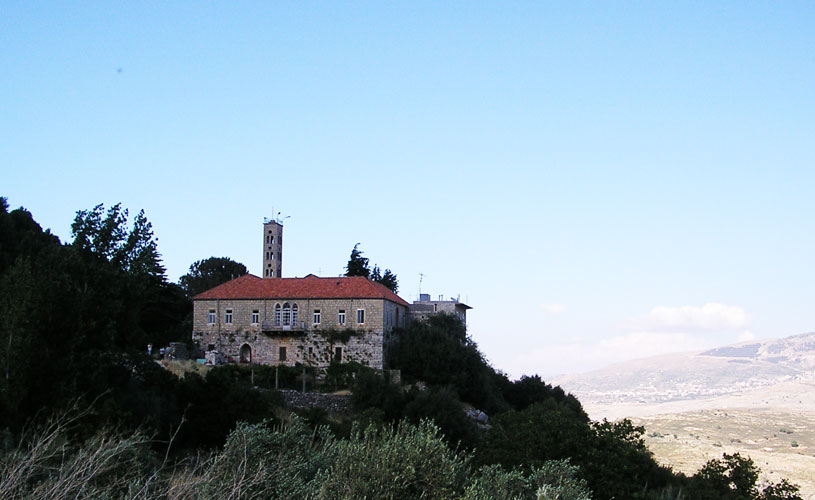
MonasteryCouvent Saint-Michel
Ammiq Mnaçef, Chouf District
What is MOOVTOO ?PartnersContact usFAQLegal MentionsData Protection PolicyTerms and ConditionsCheck out our privacy policy