Nessef el Batrak
Saint John Church
Beit Maroun Monastery
Saint Peter and Paul church
Church of our Lady-Bichwat
The ‘Cedars of God’ forest
The church of the Transfiguration of the Lord
The Lady Of The Cedars
Cheir el Aren
La Jetée
Qadisha Caves
Saint Joseph Church
Our Lady of The Tower Church
Yammouneh Nature Reserve
Monastère Notre-Dame-du-Rosaire
Cedars Cross
Tourism office (Bcharre)
Saint Eusebe Church
Mar Saba Church
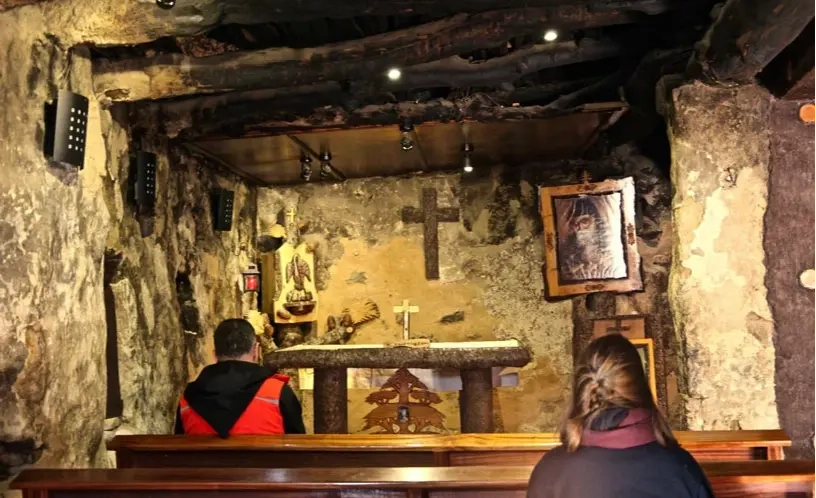
Grotte de Saint Charbel
Église Notre Dame De Bqaa Kafra
Notre Dame Old Church
Saint Charbel Sanctuary
Gibran Khalil Gibran Museum
Yammouneh Dam and Lake
Qornet Fam el Mizrab
Oyoun Orghosh Lake
Saint Saba Cathedral
Monastery of Saint Elichaa
Saint John's Church
Jardin Public De Bcharré
Our Lady of Bsharri Church
Vallée de Mar Lisha
Notre Dame de Bkerkasha
Monastery of Saint Nohra
Bcharre Cultural Club - Safinet Orphalese




.svg)
.svg)
.svg)
.svg)
.svg)
.svg) Col de montagne +1
Col de montagne +1Nessef el Batrak
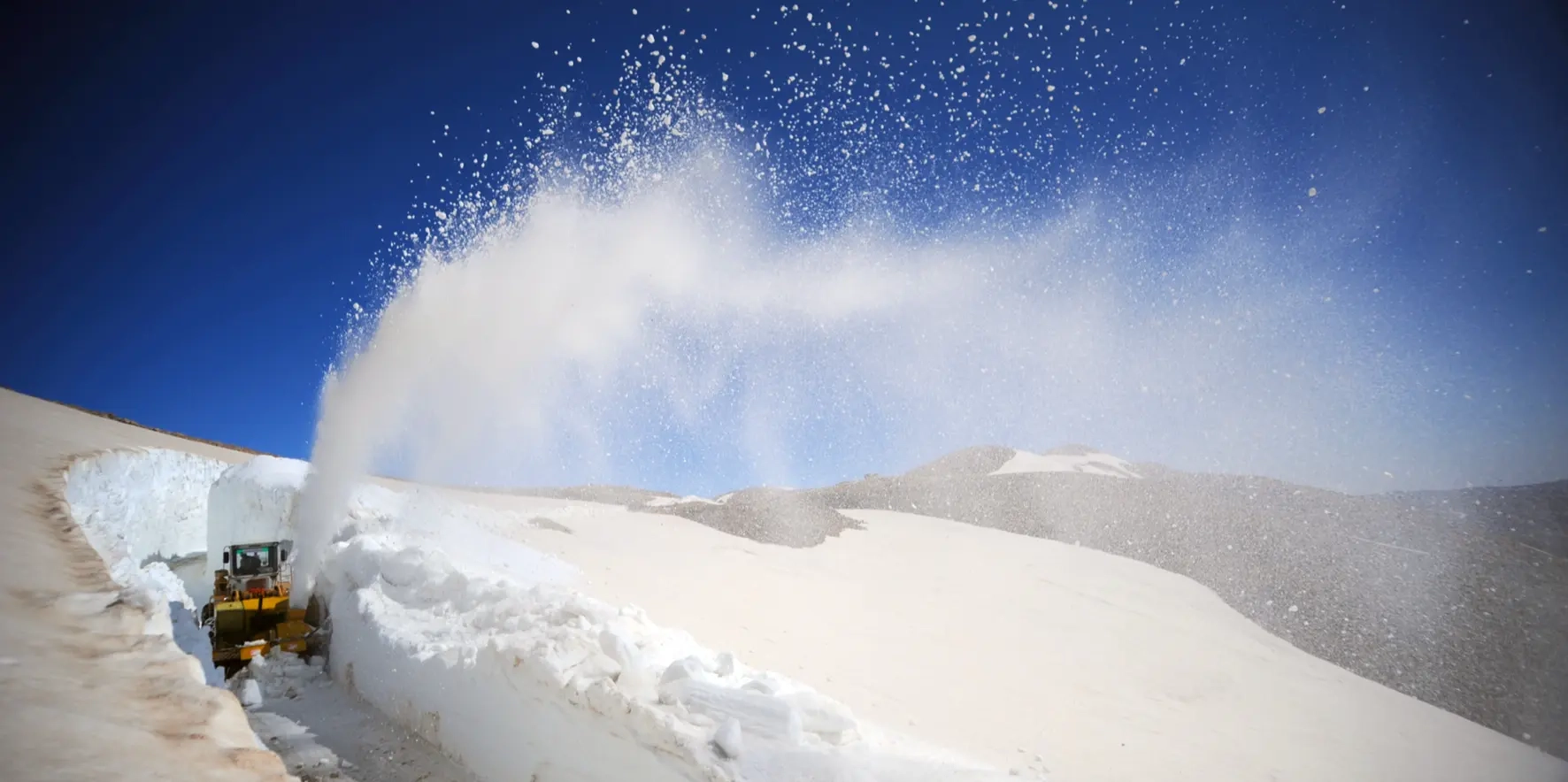
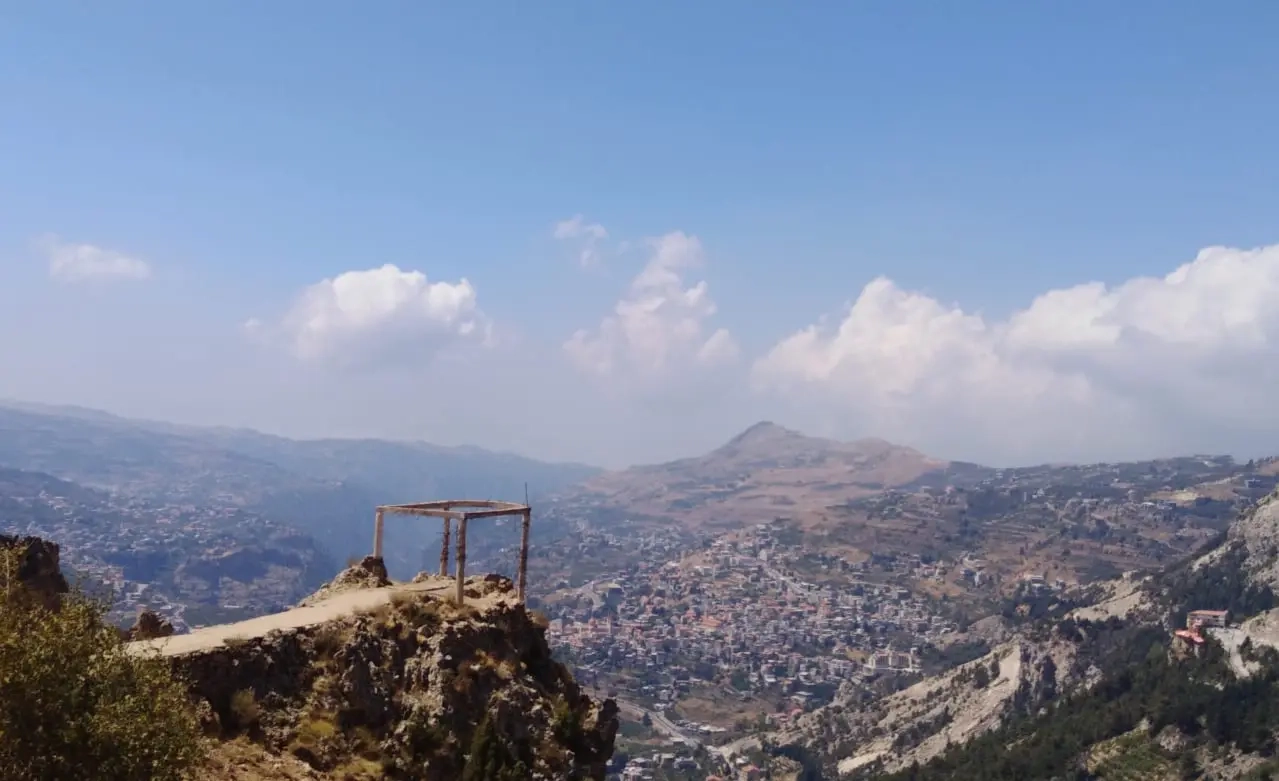
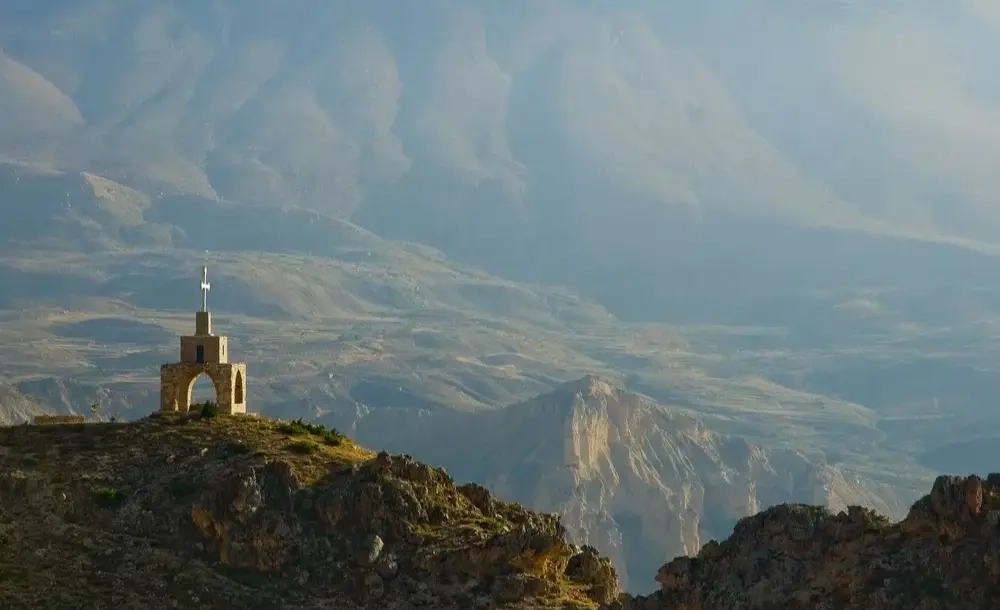
Nessef Al Batrak, also known as the Patriarch’s Divide, is a high-altitude mountain pass located near Bsharri in northern Lebanon. Rising to 2,560 meters above sea level, it offers one of the most striking viewpoints in the country, overlooking both the Bekaa Valley to the east and the Qadisha Valley to the west. On clear days, the horizon stretches to the Anti-Lebanon mountain range and across the vineyard-covered plains of the Bekaa.
This natural pass, shaped by steep cliffs and seasonal snowmelt, serves as a transitional point between Lebanon’s distinct geographic regions. It is also a destination of cultural significance. Oral traditions speak of Maronite patriarchs and shepherds using this route for centuries, linking it to both spiritual journeys and seasonal migration. The area’s natural springs feed into the Qadisha River, reinforcing its symbolic importance within the landscape.
Nessef Al Batrak is accessible via rugged mountain roads, recommended only for 4x4 vehicles or guided excursions. The site is part of a wider network of hiking trails connecting to the Cedars Forest and Qornet El Sawda, Lebanon’s highest peak. In summer, wildflowers dot the rocky terrain; in winter, snow creates a dramatic and often remote environment. Due to the elevation and exposure, visitors should be prepared for sudden weather changes and pack accordingly, even in warmer months.
The best time to visit is between May and October, when access is easiest and the trails are typically clear. Many visitors choose to combine this stop with a visit to nearby cultural landmarks, such as Rudy Rahme’s mountaintop sculpture, offering a unique pairing of nature and contemporary art.
Ainata, Baalbek District
ChurchSaint John Church
Mrah El Aassi, Baalbek District
MonasteryBeit Maroun Monastery
Beit Habchi, Baalbek District
ChurchSaint Peter and Paul church
Deir el Ahmar, Baalbek District
ChurchChurch of our Lady-Bichwat
Bechwat, Baalbek District
Forest +1The ‘Cedars of God’ forest
The ‘Cedars of God’ forest also known as ‘Arez ar-Rabb’ is considered one of the last remaining ashes and traces of the Cedar forests in Lebanon. The cedar forests in Lebanon highly contributed to the wealth and prosperity of the entire country along its history. Across all the civilization eras that passed through Lebanon and left a mark, the Timber from the cedar forests were employed, highly valued and used for different reasons, including shipbuilding and the mummification process by the Egyptians, and railway construction by the Ottoman Empire. The Phoenicians even used the cedar wood for their merchant fleets.
The story of the 'Cedars of God' forest dates back to 1876, when Queen Victoria funded the construction of a towering stone wall that would surround the 102-hectare woodland. Situated at an altitude of over 2000 meters above sea level, this magnificent forest can be found in close proximity to the 'Kadisha Valley,' boasting towering trees that reach over 35 meters.
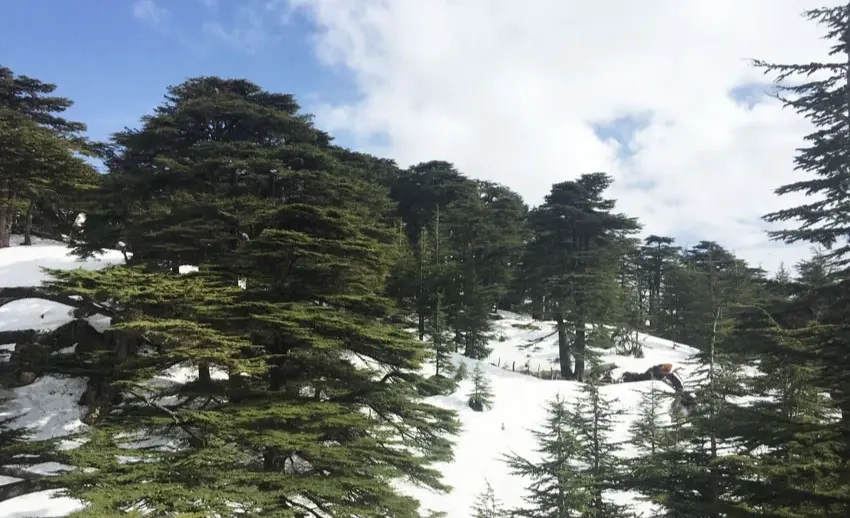
The timberland, which was added to the UNESCO List of World Heritage Sites in 1998, is a meticulously protected forest that requires an authorized guide for visitors. In 1985, the forest underwent a significant restoration process that involved the removal of dead organic matter, treatment of diseased plants, soil fertilization, and a reforestation initiative. It is a delightful destination for anyone interested in exploring nature, and during the winter, the sight of snow blanketing the trees creates a breathtaking scene.
The Cedars, Becharre District
ChurchThe church of the Transfiguration of the Lord
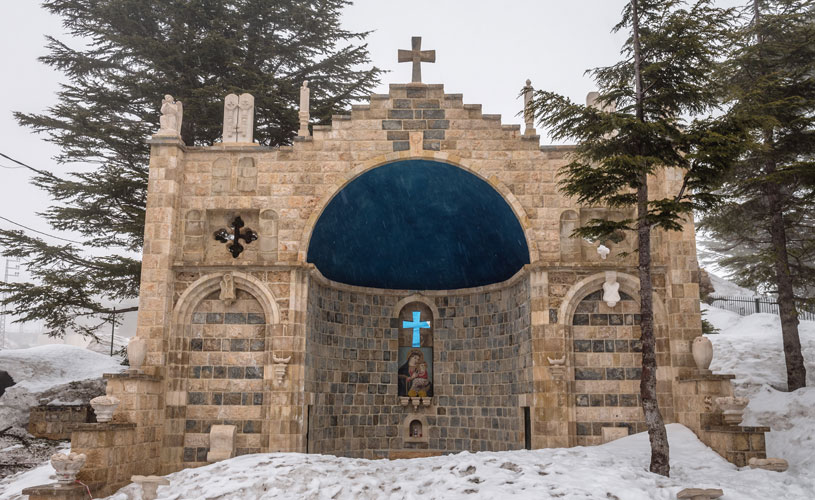
Originally established in 1844 under the guidance of Father Youhanna Shebaiaa and authorized by Patriarch Youssef Hobeich, this church has undergone several phases of reconstruction, notably in 1936 and again in 1983. A full restoration was completed in 1990. The main altar, crafted from cedar wood, is the work of artisan Selim Abi Qabalaan Geagea. The icon depicting the Transfiguration reflects the artistic influence of the Jerusalem school.
The Cedars, Becharre District
ChurchThe Lady Of The Cedars
The Cedars, Becharre
Natural SiteCheir el Aren
Becharre, Becharre District
Observation deckLa Jetée
The Cedars, Becharre District
Cave / cavernQadisha Caves
Becharre, Becharre District
ChurchSaint Joseph Church
Deir el Ahmar, Baalbek District
MonasteryOur Lady of The Tower Church
Deir el Ahmar, Baalbek District
Nature ReserveYammouneh Nature Reserve
Established in 1999, Al Yammouneh Nature Reserve reaches an altitude of 2000m above sea level. Stretching from a starting altitude of 1200m, and situated on the north-east slope of the intersection of ‘Al-Mukamel’ mountain and ‘Manitriya’ mountain, this natural reserve is renowned and reputable for its diversity of Juniper trees and plants. The Reserve is outlined and represented by its lush green trees and vegetation which cover approximately 30% of the total surface area.
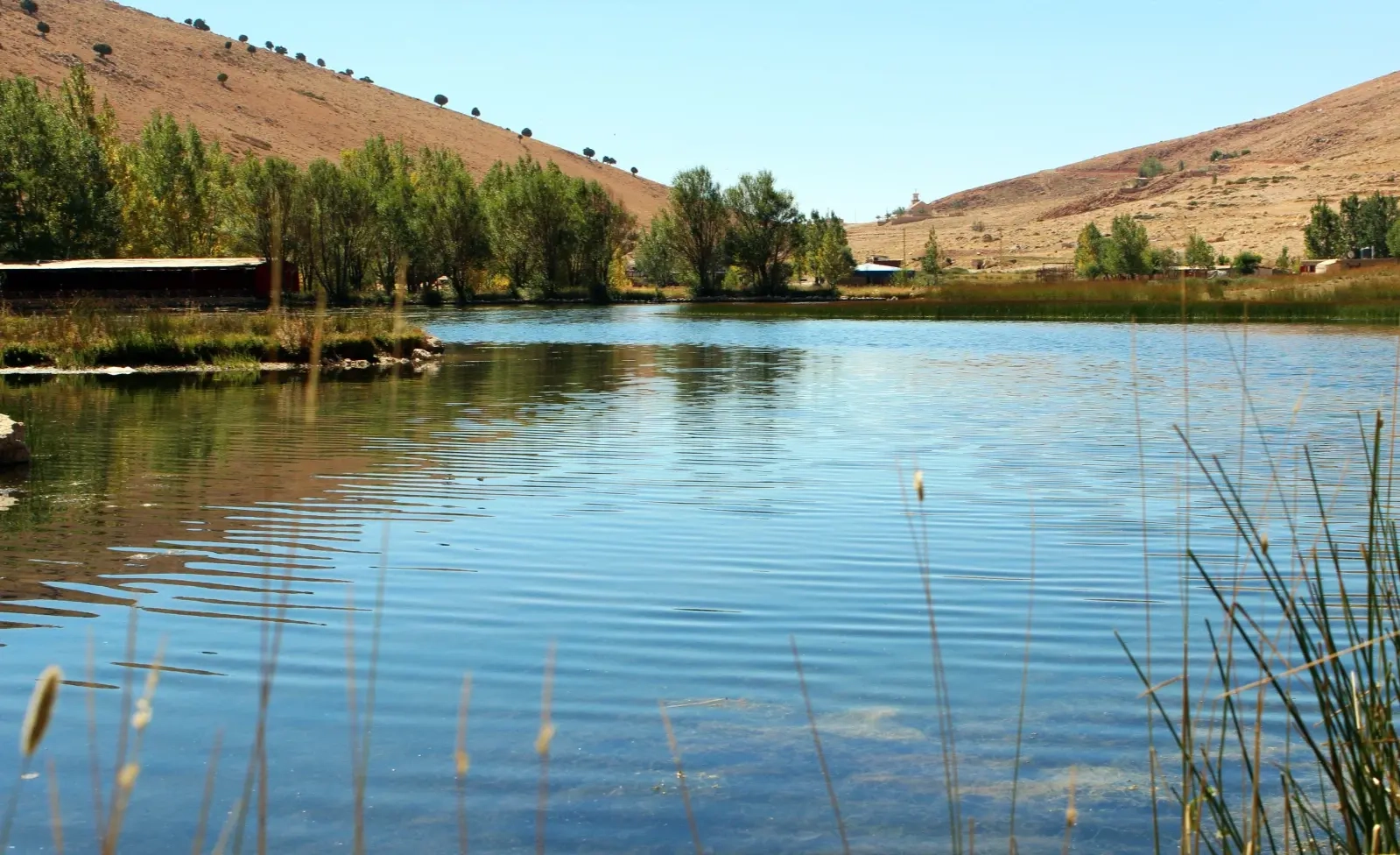
In Arabic, Yammouneh translates to ‘Little Sea.’ It was given its name due to the existence of the Yammouné Lake. The Natural Reserve is abundant with water and has 84 springs, 4 all-year-round rivers, and 2 seasonal rivers. It is considered one of the most beautiful and glamorous spots for nature visitors in the Bekaa North region of Lebanon because of its natural green oasis beauty amid a sequence of dry and dusty mountains. This is also because of the charming and alluring greenery and natural springs, which amount to more than 45 branches fanned out and dispersed providing natural water all over the town, not to mention its beautiful fruit gardens containing dozens of unique fruit breeds.
Furthermore, the territory is estimated to be around 14000 hectares which is home to nearly 1700 unique species of herbs, and over 150 medicinal plants, some of which do not grow anywhere else in the country. It is also a refuge for the migrating birds and the only haven dwelling for the Golden Fish locally, which are exclusive to the waters of Yamouna. As part of the research, results show that there are 32 plant species that were analyzed in France and contain internationally unknown chemicals, in addition to three important medicinal plants that cure leukemia, clean gravel and kidney sand. The reserve also includes species of animals that have grown extinct around the rest of Lebanon.
In 134 AD, Roman Emperor Adriano announced the town of Yamouna, a natural reserve and banned the chopping of trees by agreement regarding the sculpted rocks amid the archaeological excavations in the suburbs. Adriano’s large castle was built here and only ruins of it remain today, in addition to Phoenician, Roman and Arab antiquities. In the year 1999, a decree was circulated stating Al-Yamouna fields as a natural, archaeological, and scientific reserve.
Yammouneh nature reserve withstood extensive research studies by professionals in the Lebanese university. The research study covered the natural elements and wealth of the town, specifically the monuments, wildlife, nature, water. It is Important to mention that the variety of ecosystems in the reserve resulted in the creation of a variety of natural and ecological systems of significant importance and it is likely to find plants of cold, semi-desert, aquatic and other atmospheres, all in the same location.
Yammouneh, Baalbek District
Monastery +1Monastère Notre-Dame-du-Rosaire
Deir el Ahmar, Baalbek District
Holy Site +1Cedars Cross
The Cedars, Becharre
Office de tourismeTourism office (Bcharre)
Becharre, Becharre District
Church +1Saint Eusebe Church
Bqaa Kafra, Becharre District
Church +1Mar Saba Church
Bqaa Kafra, Becharre District
Monastery +1Grotte de Saint Charbel
Bqaa Kafra, Becharre District
ChurchÉglise Notre Dame De Bqaa Kafra
Bqaa Kafra, Becharre District
Church +1Notre Dame Old Church
Bqaa Kafra, Becharre District
Period of History +1Saint Charbel Sanctuary
Bqaa Kafra, Becharre District
MuseumGibran Khalil Gibran Museum
The Gibran Khalil Gibran Museum is located in the town of Bsharri, the author's birthplace, inside the former Saint Sarkis (Saint Sergius) Monastery.
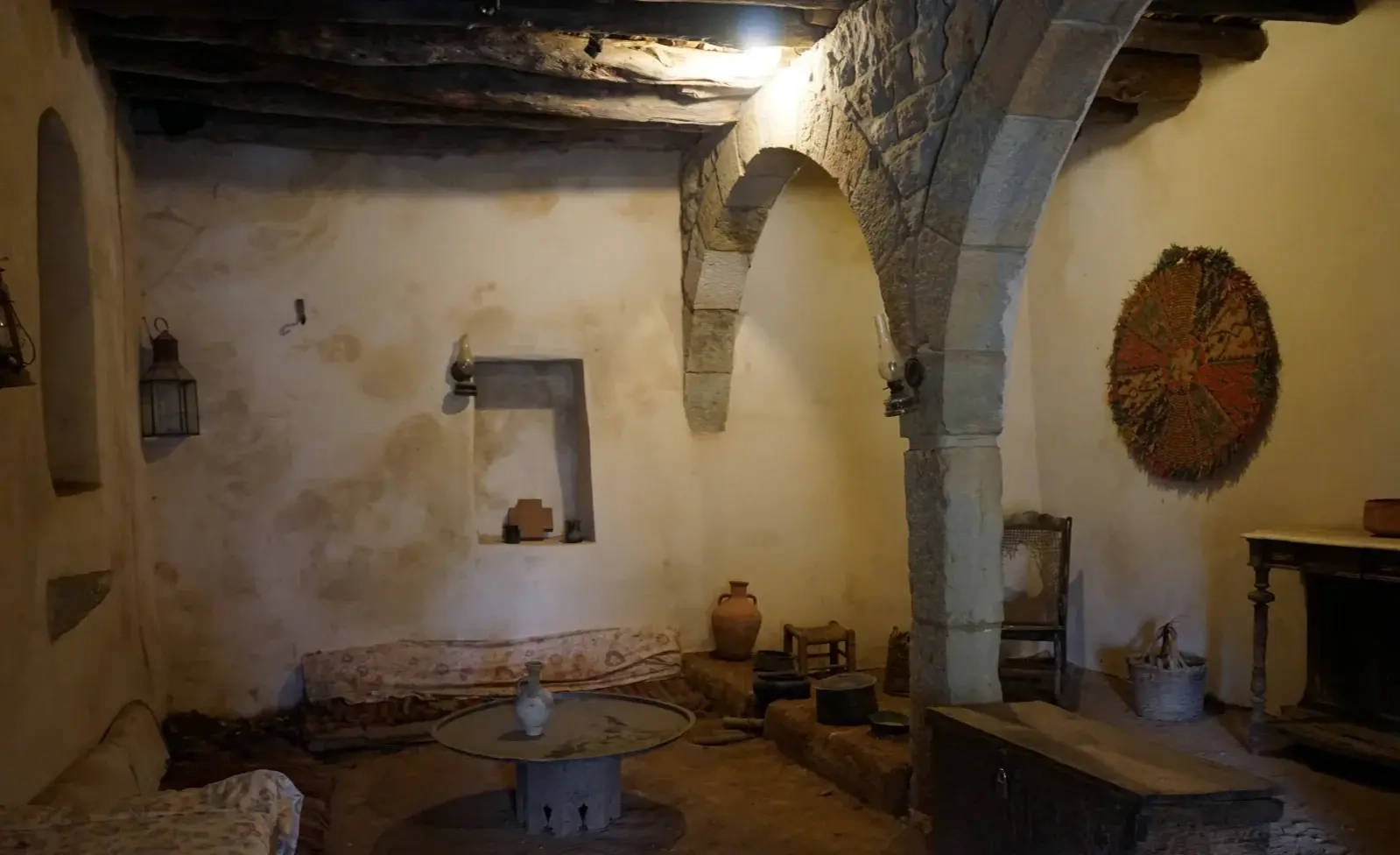
Once a cave inhabited by hermits, the site was handed over to Carmelite monks in the 17th century. Gibran later purchased the property in the late 1920s, intending to retire there and be buried on the premises after his death in 1931.
His tomb now lies within the old hermitage. The monastery has since been transformed into a museum dedicated to the famous Lebanese poet and painter, whose work has inspired the world.
The museum showcases many of his personal belongings — from his private library to his drawing and painting tools.
Visitors can discover around 135 of Gibran’s original artworks, including oil paintings, watercolors, and charcoal drawings. The museum also houses a large collection of his writings.
Becharre, Becharre District
LakeYammouneh Dam and Lake
Yammouneh, Baalbek District
Sommet montagneuxQornet Fam el Mizrab
Becharre, Becharre District
Lake +1Oyoun Orghosh Lake
Lake Oyoun Orghosh is situated on the eastern flank of Qornet el Sauda ("Black Peak", the highest mountain top in the Middle East). It is surrounded by picturesque hills.
This region boasts a plethora of lakes and springs ("Oyoun" in Arabic), forming a vibrant and interconnected ecosystem: the lakes receive their life-giving waters from the springs, which, in turn, are nourished by the melting snow from the majestic peaks of Jabal el Mekmel and Qornet el Sauda.
The harmonious relationship between these natural elements creates a truly enchanting and serene environment for all who visit.
Oyoun Orghosh, Becharre District
Cathedral +1Saint Saba Cathedral
Becharre, Becharre District
Monastery +1Monastery of Saint Elichaa
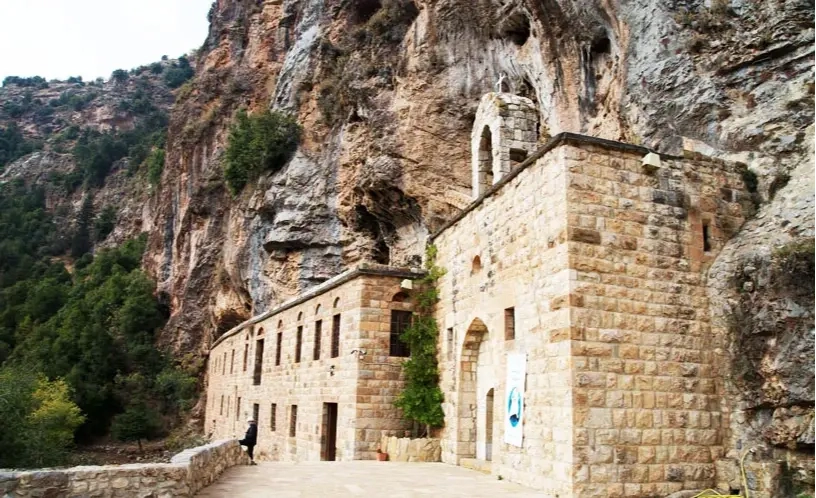
A picturesque pilgrimage site, the Deir Mar Elisha Monastery offers a breathtaking view of the Qannoubin Valley.
Deir Mar Elisha is carved out of the rock on a cliff to which you will be able to reach a staircase leading you to the main door.
You will be isolated from the rest of the world, surrounded by spectacular natural landscapes and lulled by the peaceful atmosphere, which for centuries was the go to places of monks and hermits to retreat from all agitation.
The monastery is also rich in history, which makes it one of the most important places of this holy valley. It bore witness to the spiritual tradition of North Lebanon and is one of the cradles of the Maronite presence in the region.
The monastery was the residence of Bcharré bishops since 1315 but was probably built well before that date, it was restored once in 1533, and again at the beginning of the 18th century when it was occupied by the fathers Aleppins Mariamites who established their central seat there in 1696.
A fire devastated a wing of the convent in 1739 and was abandoned in 1874 by monks who had the ambition to build another monetary on the hill opposite to it. Many hermits found refuge there, devoting their days to fasting, manual labor or the study of sacred books.
It was much later, in 1951, that long renovations were completed. Cement, electricity, running water and the installation of telephones brought a sense of modernity to the old monastery, which had fallen into neglect.
Today, Deir Mar Elisha is also famous for being the birthplace of the Lebanese Maronite order and for hosting the holy hermit father Antonio Tarabay who spent 33 years there.
It houses an icon of St. Elisha dating back to the eighth century.
The only activity of the monastery has now is the museum which you can easily reach by car, or on foot from a path of Bcharré.
Qadisha Valley, Becharre District
ChurchSaint John's Church
Becharre, Becharre District
Gardens & ParksJardin Public De Bcharré
Becharre, Becharre District
ChurchOur Lady of Bsharri Church
Becharre, Becharre District
Natural SiteVallée de Mar Lisha
Becharre, Becharre District
ChurchNotre Dame de Bkerkasha
Bqorqacha, Becharre District
MonasteryMonastery of Saint Nohra
Bqorqacha, Becharre District
Cultural CenterBcharre Cultural Club - Safinet Orphalese
Becharre, Becharre District
What is MOOVTOO ?PartnersContact usFAQLegal MentionsData Protection PolicyTerms and ConditionsCheck out our privacy policy