Yammouneh Nature Reserve
Monastery of Saint Maron
Ras-El-Ain spring
Qoubbat Douris
Kamouh el Hermel
Stone Of The Pregnant Women
Baalbek Site Museum
Ontoch Notre-Dame-des-Secours
Ontoch Notre-Dame-de-la-Délivrance
Our Lady of The Tower Church
Baalbek Archaeological Site
Temple of Bacchus
Temple of Jupiter
Temple of Venus
Baalbek Imperial Baths
Baalbek Old Souk
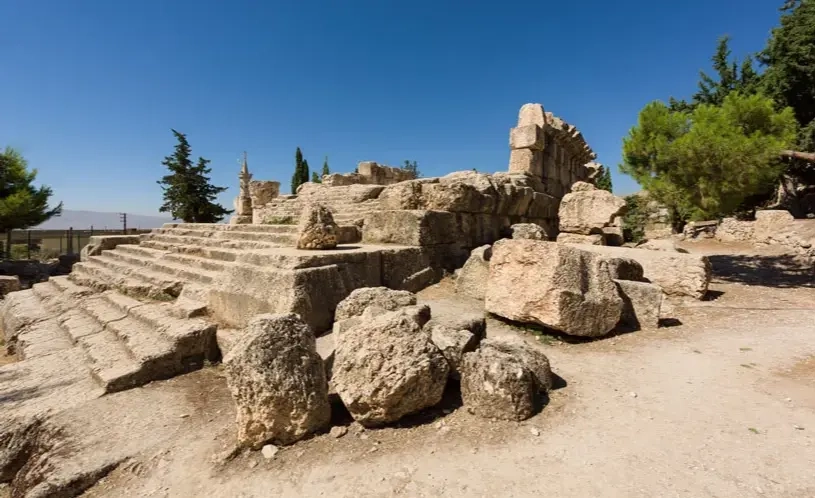
Qsarnaba Roman Temple
Sayyida Khawla Shrine
Temnin el Fawqa Temple
Iaat Column
Maqam el-Nabi Yusha’ Ben Noun
Church of our Lady-Bichwat
Monastery and church of our Lady of Nativity
Maqam el-Nabi Najjoum
Maqam el-Nabi Shiit
Maqam el-Nabi Suleiman
El-Qal’a Mosque
The Great Umayyad Mosque
Ras el-Ain Mosque
El-Amjad Dome
El-Hanabelah Mosque
El-Nahr Mosque
El-Saghir Mosque
Qasr el Banat Temple
Yammouneh Temple
A Roman sanctuary in a sacred natural site
A place of legends
A moment of immersion in nature and heritage
Al Manbouh
Nessef el Batrak
Temple of Venus
Temple of Bacchus
Temple of Jupiter
Museum of the Convent of the Miraculous Virgin
Saint Elian Rass Baalbeck
Baalbek Tunnel Complex
Dardara Cascade
Temple of Laboué
Temple of Nahlé
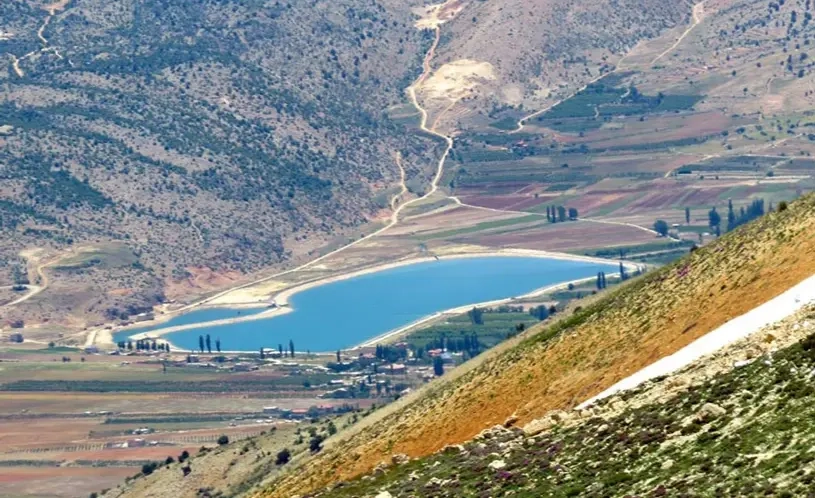
Yammouneh Dam and Lake
Hermel Lazzab Forest
Institut français du Liban à Baalbeck
Berbara Church
Moghr El Taheen
Saint Romanos Monastery
Colline rouge du Jurd Ras Baalbek
Saint George Church, Baalbek
Ras El Ain Park
Saint Elias Church
Couvent de Jabboulé
Saint Joseph Church
Monastère Notre-Dame-du-Rosaire
Baalbek Train Station
L'ancien pressoir du Jurd
Heritage and Culture Forum Library
El-Sa’dine Dome
Hermel Municipal Public Library
Nabi Chit Municipal Public Library
Mar Koulia cliff
Sanctuaire Saint-Thomas
Saint Peter and Paul church
Beit Maroun Monastery
Saint John Church
Wadi Brisa Inscriptions
Ruines de Brissa
Jabal Braïssé





.svg)
.svg)
.svg)
.svg)
.svg)
.svg) Nature Reserve
Nature ReserveYammouneh Nature Reserve
Established in 1999, Al Yammouneh Nature Reserve reaches an altitude of 2000m above sea level. Stretching from a starting altitude of 1200m, and situated on the north-east slope of the intersection of ‘Al-Mukamel’ mountain and ‘Manitriya’ mountain, this natural reserve is renowned and reputable for its diversity of Juniper trees and plants. The Reserve is outlined and represented by its lush green trees and vegetation which cover approximately 30% of the total surface area.
In Arabic, Yammouneh translates to ‘Little Sea.’ It was given its name due to the existence of the Yammouné Lake. The Natural Reserve is abundant with water and has 84 springs, 4 all-year-round rivers, and 2 seasonal rivers. It is considered one of the most beautiful and glamorous spots for nature visitors in the Bekaa North region of Lebanon because of its natural green oasis beauty amid a sequence of dry and dusty mountains. This is also because of the charming and alluring greenery and natural springs, which amount to more than 45 branches fanned out and dispersed providing natural water all over the town, not to mention its beautiful fruit gardens containing dozens of unique fruit breeds.
Furthermore, the territory is estimated to be around 14000 hectares which is home to nearly 1700 unique species of herbs, and over 150 medicinal plants, some of which do not grow anywhere else in the country. It is also a refuge for the migrating birds and the only haven dwelling for the Golden Fish locally, which are exclusive to the waters of Yamouna. As part of the research, results show that there are 32 plant species that were analyzed in France and contain internationally unknown chemicals, in addition to three important medicinal plants that cure leukemia, clean gravel and kidney sand. The reserve also includes species of animals that have grown extinct around the rest of Lebanon.
In 134 AD, Roman Emperor Adriano announced the town of Yamouna, a natural reserve and banned the chopping of trees by agreement regarding the sculpted rocks amid the archaeological excavations in the suburbs. Adriano’s large castle was built here and only ruins of it remain today, in addition to Phoenician, Roman and Arab antiquities. In the year 1999, a decree was circulated stating Al-Yamouna fields as a natural, archaeological, and scientific reserve.
Yammouneh nature reserve withstood extensive research studies by professionals in the Lebanese university. The research study covered the natural elements and wealth of the town, specifically the monuments, wildlife, nature, water. It is Important to mention that the variety of ecosystems in the reserve resulted in the creation of a variety of natural and ecological systems of significant importance and it is likely to find plants of cold, semi-desert, aquatic and other atmospheres, all in the same location.
Yammouneh, Baalbek District
Monastery +1Monastery of Saint Maron
Ras El Assi, Hermel District
Historical siteRas-El-Ain spring
The ancient Ras-El-Ain spring has been a vital water source since ancient times and remains an integral part of modern Baalbeck. Visitors to the site can witness the remains and ruins of a Roman sanctuary and nymphaeum, as well as the remnants of an old Mamluke Mosque that was built in the year 1277.
Baalbeck, Baalbek District
Period of History +1Qoubbat Douris
Constructed in the 13th Century using granite columns and pillars that were believed to be removed from Baalbeck, the ‘Qubbat Duris’ is a Muslim sanctuary and temple located on the old road to Damascus. Moreover, there are 2 jointed pillars that were once merged through the use of iron. Many were gashed open or overthrown by the emirs of Damascus in dangerous attempts to acquire the metal.
At the southern entrance of the town of Baalbeck, there is an octagonal structure consisting of 8 Roman granite pillars. Built in the 13th century, it was originally topped with a cupola and had an Ayyoubid tomb attached to it.
Douriss, Baalbek District
Archaeological siteKamouh el Hermel
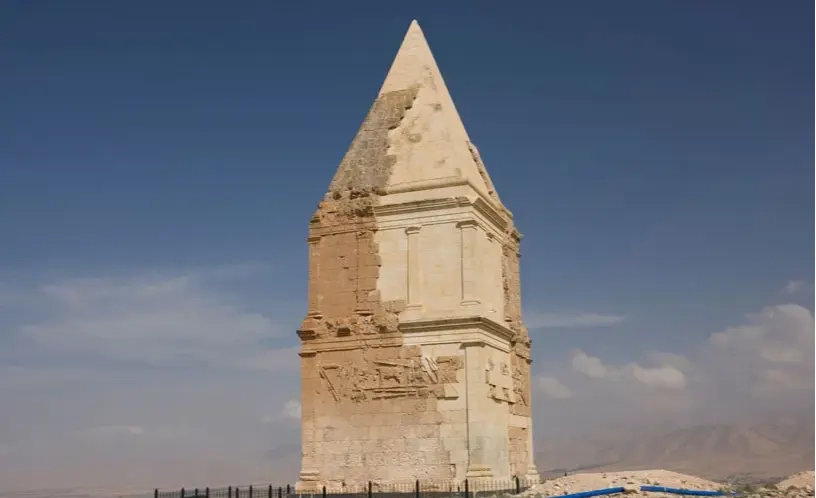
Standing in South Hermel (Beqaa), Kamouh el Hermel, also known as the Hermel Pyramid, dates back to the end of the Hellenistic period. It’s approximately 20 meters tall.
This towering structure has left scholars intrigued, as they propose various theories about its purpose. Some suggest it may have functioned as a funerary site, while others believe it could have been a monument honoring the impressive abilities of a Syrian royal. The pyramid has a mystique, and captivating scenes adorn each of its four sides.
Ras El Assi, Hermel District
Archaeological site3.0Stone Of The Pregnant Women
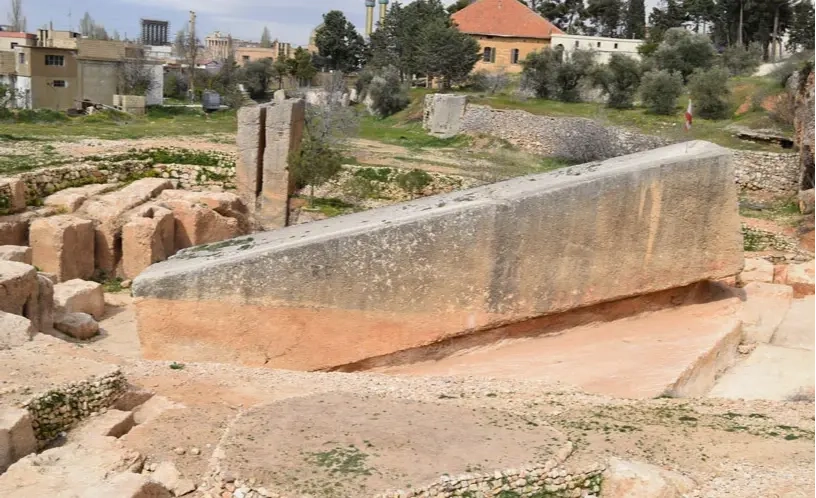
Weighing approximately 1000 tons, and sitting on a nearby quarry 800 meters from the town of baalbeck, lies the Stone of the Pregnant Woman. It is rumored that this stone got its name after a pregnant woman who persuaded the inhabitants of Baalbeck that she will move the enormous heavy pillar if they supplied her with food and drink until she gave birth.
Known in Arabic as ‘Hadjar al-Hibla’, others claim the name originated from an old belief that any woman who touches the gigantic rock will turn fertile.
Some people regard the name of the stone to be originated from legends of djinns that were required to carve and move the stone.
We all have the option to believe any of the stories out there, but nevertheless the art of studying ancient ruins has proven and confirms that the Stone of the Pregnant Women as well as another big rock next to it are among the bulkiest monoliths ever discovered.
Ain Bourday, Baalbek District
Museum5.0Baalbek Site Museum
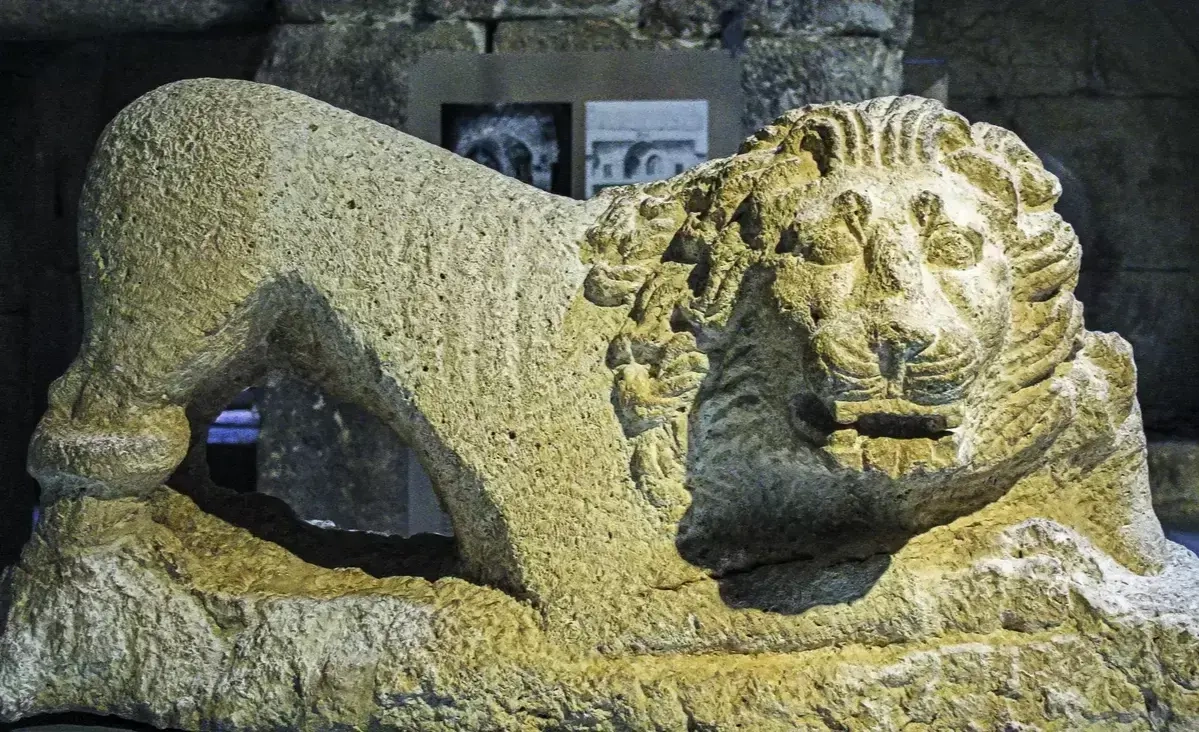
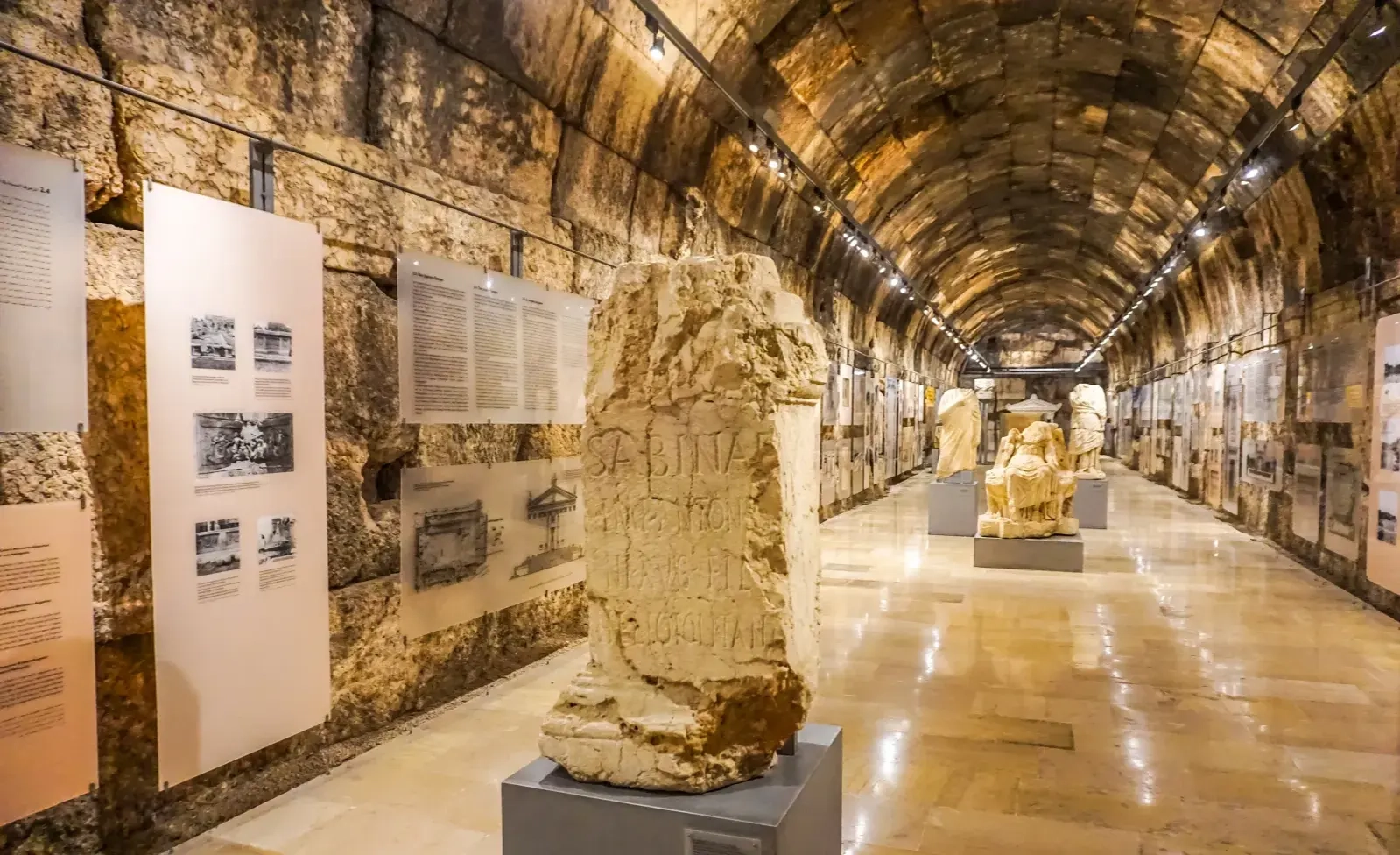
The Baalbek Museum opened its doors in 1998, right in the heart of the archaeological site, which is listed as a UNESCO World Heritage Site. It showcases artifacts from the Hellenistic, Roman, Byzantine, and Islamic periods, including around twenty statues, small artifacts, mosaics, ceramics, sarcophagi, and other funerary objects found in the tunnel beneath the Temple of Jupiter and in the Ayyubid tower.
After visiting the ruins of the City of the Sun, a stop at the museum offers a fun and enriching way to rediscover Baalbek’s remains, taking the time to imagine them in all their former glory.
The museum is housed in a long vaulted stone gallery near the hexagonal courtyard of the ruins. Large panels present what the site looked like when all the temples were still intact. Along the walls of the gallery, displays recount the history of the site and archaeological finds from the great courtyard of the Temple of Jupiter, dating from the 4th to the 2nd millennium BCE. The pieces exhibited were all recovered from the ruins.
Information about the various parts of the site is also provided through old photographs, excavation drawings, and maps. The explanations are just as important as the artifacts themselves.
From the earliest periods, one can admire a Heliopolitan altar of Jupiter from the late 2nd to early 3rd century CE, Bronze Age ceramics (1190–1600 BCE), and informative maps showing Baalbek’s geographical and historical context.
During the Roman era, Baalbek flourished with the construction of the temples of Bacchus, Jupiter, and Venus. The artistic beauty of this time is reflected in a bust of a warrior or athlete from the 2nd century CE, a male torso from the 3rd century, a sculpted leg from the early 2nd century, and a magnificent statue of Venus.
You’ll also find a fragment from the portico of the great courtyard, showcasing fine craftsmanship, and a mosaic representing Socrates and the Seven Sages, now housed in the National Museum. A massive monolith from the Temple of Jupiter still stands in place on the southern edge of the site.
Finally, an adjoining room features a collection of old photographs taken by German photographer Herman Burckhardt during his visit to Baalbek in the early 19th century, rounding off the museum experience.
If you’re interested in the history and cultural heritage of Lebanon, this museum is a must-visit.
Baalbeck, Baalbek District
Monastery +1Ontoch Notre-Dame-des-Secours
Baalbeck, Baalbek District
MonasteryOntoch Notre-Dame-de-la-Délivrance
Majdloun, Baalbek District
MonasteryOur Lady of The Tower Church
Deir el Ahmar, Baalbek District
Archaeological site +2Baalbek Archaeological Site
Temple of Bacchus
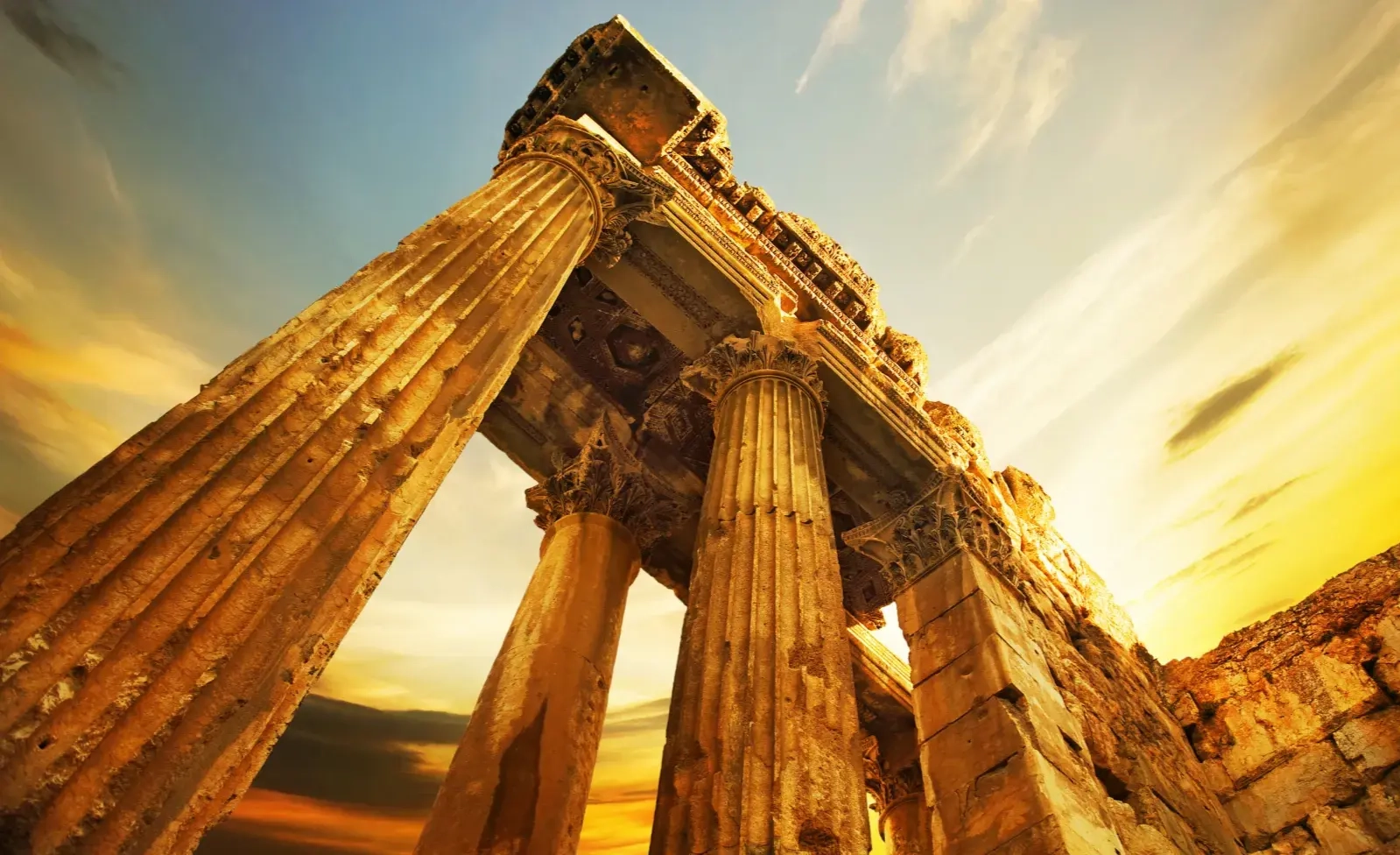
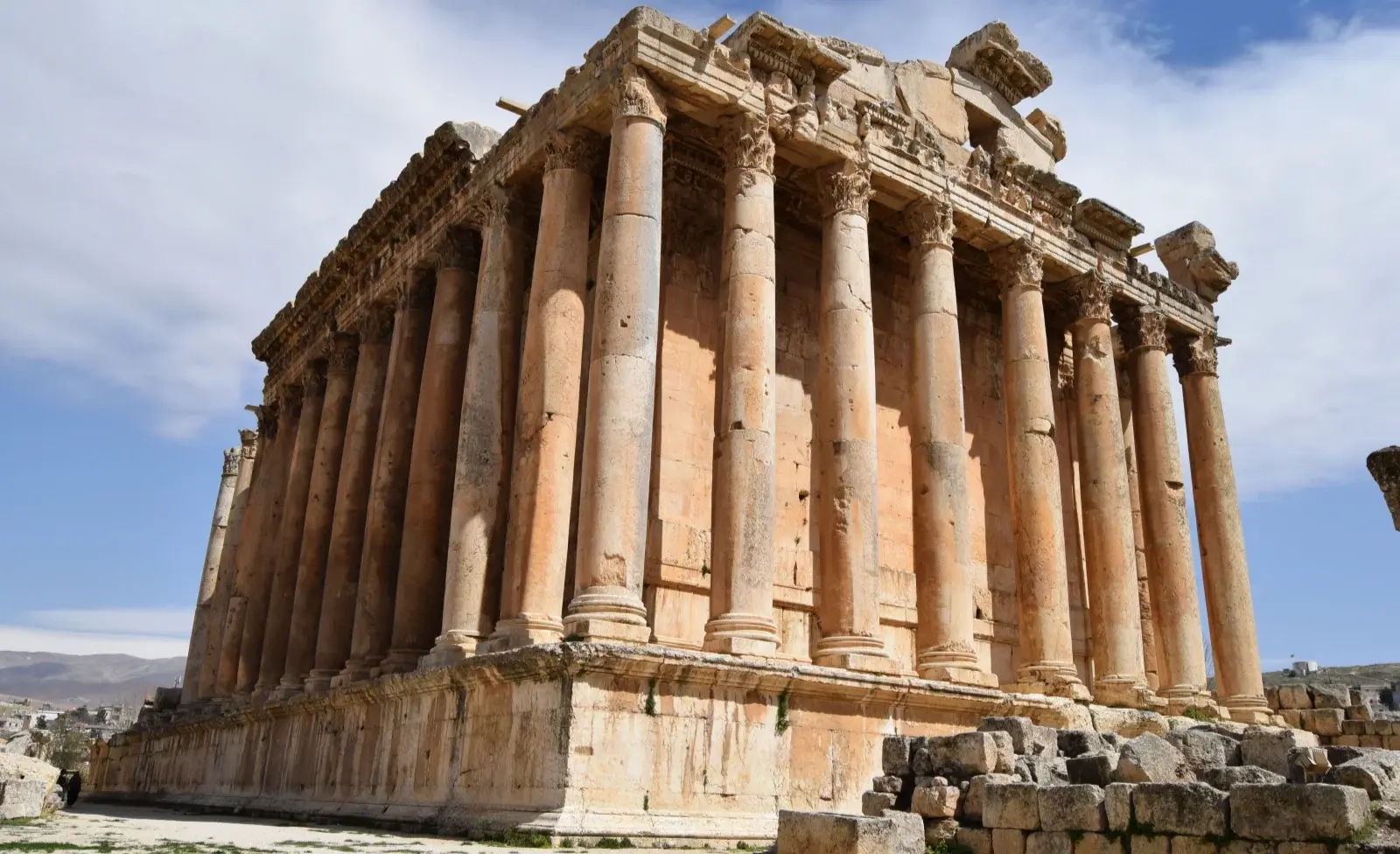
This Temple at a World Heritage Site is considered one of the best maintained and sustained Roman structure remnants in the world. The Temple and its decorations served as a dominant and authoritative model of neoclassical architecture.It is the best preserved of the three temples of Baalbeck and was built during the 2nd century. Smaller than the temple of Jupiter with dimensions of 69m long x 36m wide x 31m high but still a very impressive structure.
The sanctuary was constructed next to the courtyard ahead the larger temple of Jupiter Baal. Out of the 42 Corinthian columns initially built, only 19 remain standing in an upright position reaching 19 meters high. It is believed that the storm God Ba’al was worshiped and honored in this temple.
The Temple has carvings and inscriptions that are very refined and have survived from antiquity. On the interior, you can find the main body of the Temple that measured around 98ft, a sanctuary measuring around 36ft and fronted by 13 steps raised on a 5ft platform.
The temple has a reputation for its extraordinary and monumental dimensions, lavishly ornamented stone work and overwhelming gate with Bacchic designs. The ornamental stone descriptions incorporate rows of lions and bulls, which were logos symbolically associated with the two deities.
Temple of Jupiter
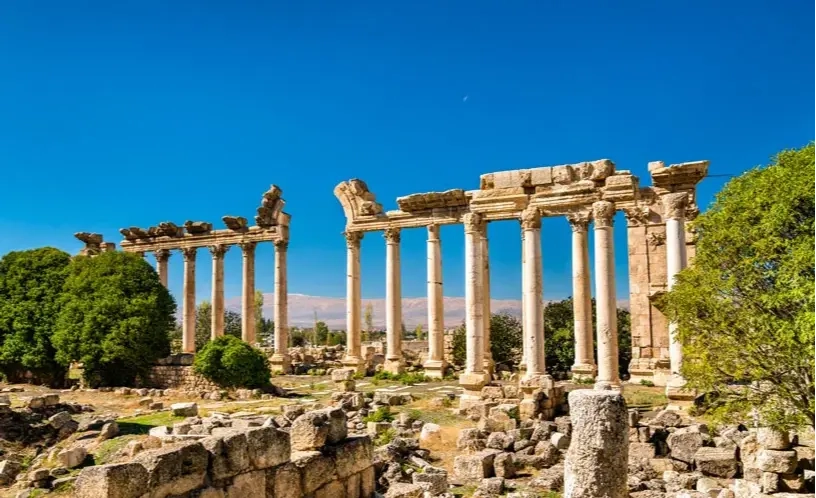
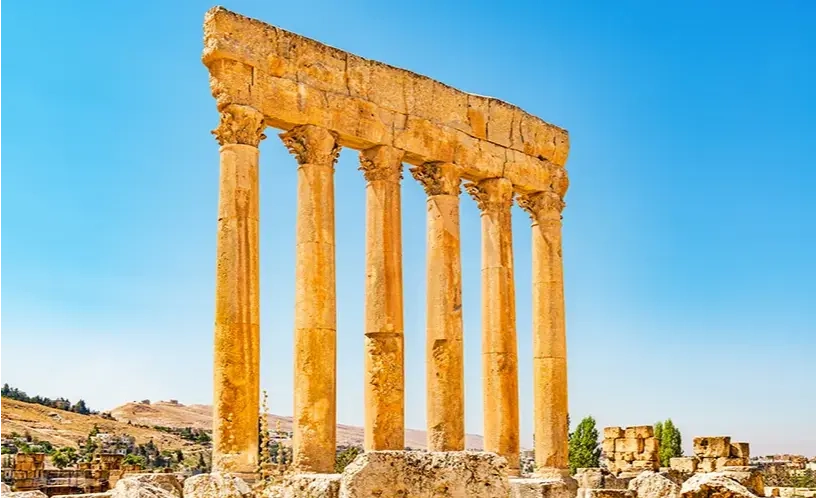
Also called ‘Roman Heliopolis’, the Temple of Jupiter was dedicated to the community that shared the belief of zues and it is situated in Heliopolis of Roman Phoenicia (which is Baalbeck of Lebanon today). It is reached by an impressive stairway, and was the major building in a holy complex that still partly stands.There are only six columns remaining today, about twenty meters high each and two-meters wide and they give a clear idea of the original enormous size of the whole sanctuary. Given its measurements that are approximately 88 x 48 m, it is believed to be one of the largest temples of the Roman world.
It is apparently believed that the Temple of Jupiter was constructed on top of an earlier Phoenician temple employing the same infrastructure and foundation. Situated at an altitude of about 1100 meters and on the east side of the Roman Empire, It took several stages to complete the construction of the Temple.
Although it was nearing completion under Nero’s reign (54 to 68 AD), the Temple hadn’t been inaugurated until the 3rd century along with the other two temples. During the Byzantine era, it was referred to as the ‘Trilithon’ because of the three gigantic stones in its foundation, and referred to as ‘Great temple’ when taken together with the forecourt and Great Court.
Temple of Venus
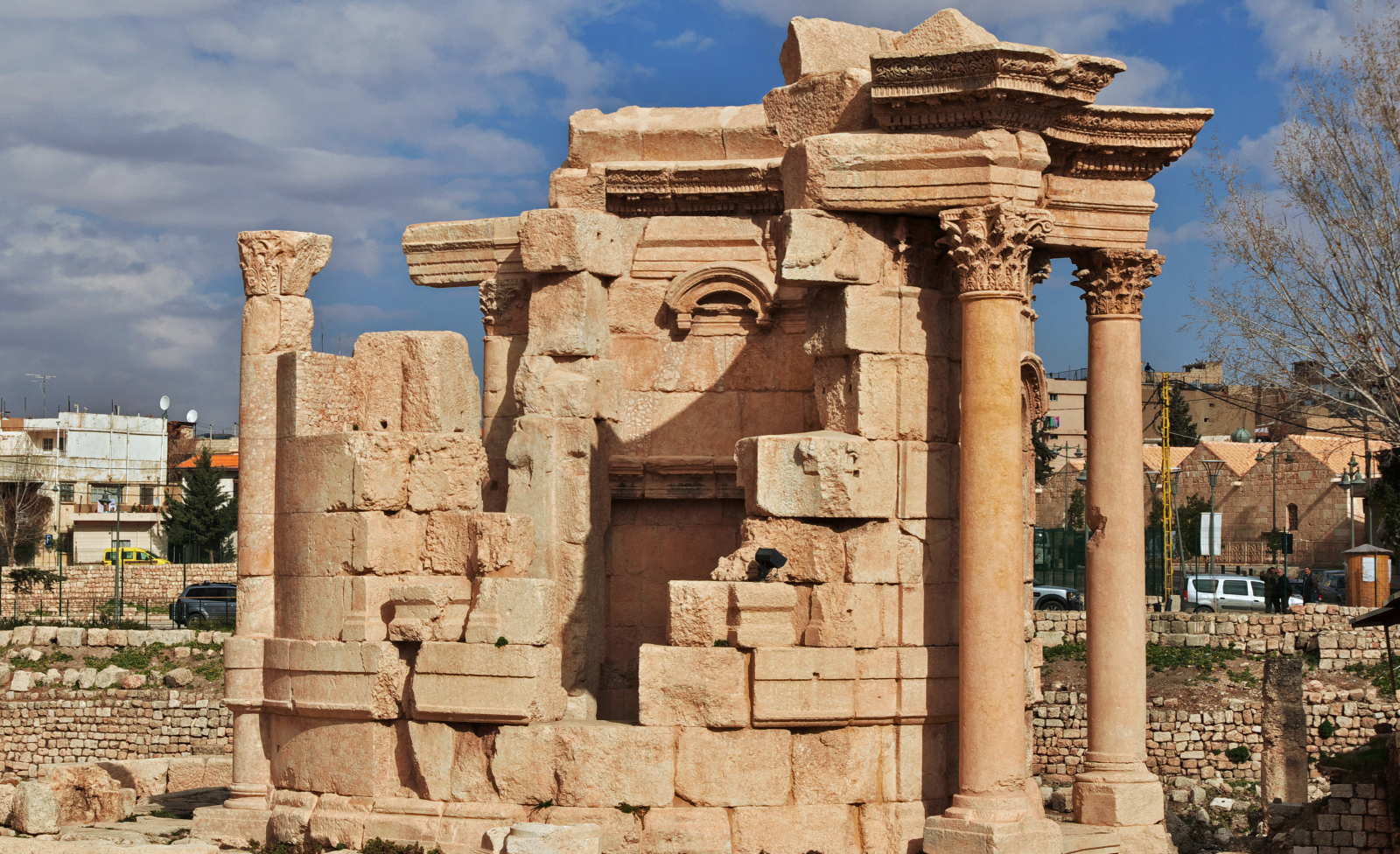
Around 200 meters southwest the ‘Temple of Jupiter’ lies the ‘Temple of Venus’ that was constructed in the third Century AD. The Temple is much smaller in size and dimensions that the other two and is built on a platform that takes the shape of a horse shoe. It is also called the circular temple given its circular shape.It is separated from the temple of Jupiter with a colonnaded street and is the last temple ever built in the province. The architect responsible for the building of this sanctuary wanted to portray to the public opinion that he was the best and most skilled for the job and he triumphed.
The characteristics and features of this temple set it apart from all the other Baalbeck Temples and helped in distinguishing it as the Temple of Fortune of Baalbeck. Later amid the Byzantine Era, The Temple was transformed into a church and devoted to Saint Barbara, who is seen as the Saint of Baalbeck up till the current day.
Close to the Temple of Venus, visitors can find the remnants of the ‘Temple of Muses’, which date back to the beginning of the 1st Century AD.
Baalbeck, Baalbek District
Baths +1Baalbek Imperial Baths
Baalbeck, Baalbek District
Old SoukBaalbek Old Souk
As you wander through the historic souk of Baalbek, your eyes are drawn to the intricate details of miniature temples, the masterful artistry of hand-carved wood, vibrant prayer beads, and striking clay vases adorned with breathtaking designs.
The market is also home to an array of unique antiques, iconic red and white keffiyehs (head scarves), stunning metalworks, ceramics, jewelry, and much more.
Baalbeck, Baalbek District
Archaeological site +2Qsarnaba Roman Temple
The Qsarnaba Roman Temple, also known as Qasr el Banat (“Castle of the Girls” in Arabic), is a major archaeological site located in the Bekaa Valley, Lebanon. Built in the 2nd century AD, this temple stands as a testament to the grandeur and influence of the Roman Empire in this strategic region of the Middle East.
Constructed from local limestone, the temple sits at an altitude of approximately 1,100 meters on a rocky promontory, giving it a commanding view over the fertile Bekaa Valley. Access to the sanctuary is via a wide monumental staircase facing east—a classic architectural detail emphasizing its religious importance.
Although partially in ruins, the temple still retains remarkable elements such as massive column bases and fragments of walls, recalling the scale of its original construction. Nearby, an ancient Roman quarry remains visible, illustrating the stone extraction techniques used to build this structure.
The name “Qasr el Banat” suggests that the temple may have been dedicated to female deities or had a cultic function related to “girls” or “maidens.” It is part of a network of Roman sanctuaries in the region, including nearby sites like Baalbek and Hosn Niha, which likely served as pilgrimage destinations.
Located about 14.5 km northeast of Zahlé, in the Baalbek-Hermel district, the temple is accessible to visitors. Its location, rich history, and natural surroundings make it a favored destination for history enthusiasts, hikers, and photographers.
The Qsarnaba Roman Temple is an exceptional testimony to Roman architecture and culture in the East, offering a unique window into the ancient history of the Bekaa and Lebanon.
Kasarnaba, Baalbek District
MosqueSayyida Khawla Shrine
Baalbeck, Baalbek District
Historical site +1Temnin el Fawqa Temple
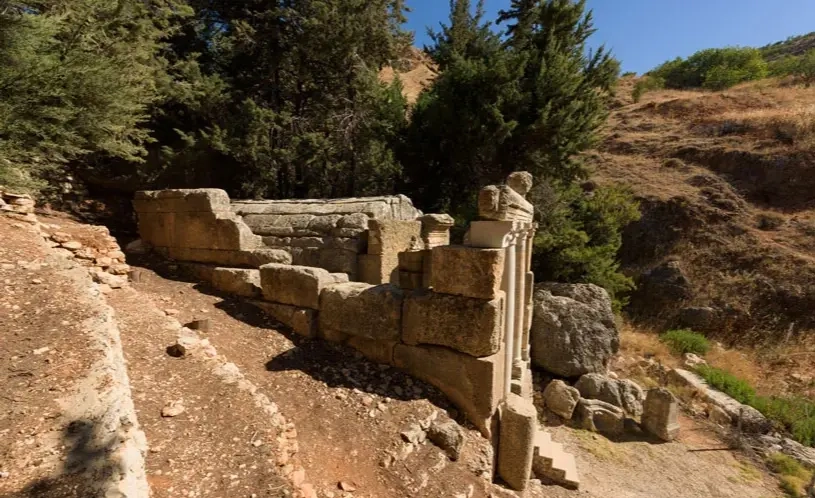
Nestled at an altitude of around 1,100 meters on the eastern slopes of Mount Sannine, just west of the village of Temnin el-Fawqa, lies one of Lebanon’s most fascinating and lesser-known Roman sanctuaries: a nymphaeum, or water temple, built directly over the Ain el-Jobb spring. Quietly embedded in a rugged natural setting, this site offers rare insight into how the Romans combined utility, engineering, and religious practice in a single sacred space.
The structure, dating primarily to the 2nd century CE, is carved over 4 meters deep into the hillside and features a vaulted channel that collects and directs spring water into a subterranean cistern. The sanctuary’s walls are made of roughly hewn stone blocks laid in four visible courses, supporting a well-preserved arched roof. At the spring’s exit stands a carved cippus (ritual marker) depicting a goddess figure—suggesting divine veneration and recalling similar examples from nearby Roman sites such as Kafr Zabad.
In Roman tradition, nymphaea were more than just practical waterworks; they were places of worship often dedicated to water deities or nature spirits. The presence of the goddess carving and the raised adyton (sacred platform) within the structure suggest the site was used for rituals linked to fertility, nature, and agricultural cycles—highlighting the spiritual significance of water in ancient life. This temple is part of a larger network of Roman sanctuaries in the Bekaa, all built as expressions of imperial presence and religious devotion in the region.
The Temnin el-Fawqa nymphaeum is a remarkable example of Roman sacred architecture integrated into the natural landscape. Though smaller and less known than the grand temples of Baalbek or Niha, it is no less significant. Its design reflects a unique harmony between spiritual purpose and environmental setting—where the natural spring itself becomes the heart of the sacred space. The site is accessible by a 20-minute scenic walk from the village center, surrounded by lush vegetation nurtured by the spring and dotted with ancient stonework and tombs.
Today, this water sanctuary is recognized as a heritage site of cultural importance and has drawn the attention of scholars and heritage organizations. Documented in the works of archaeologist George Taylor and protected as part of Lebanon’s Roman legacy, the Temple of Temnin el-Fawqa offers a rare and atmospheric window into the world of ancient sacred hydrology—where nature, architecture, and faith met in perfect balance.
Temnin el Fawka, Baalbek District
Column +2Iaat Column
Isolated in the heart of the Bekaa Valley in Lebanon, near the road linking Baalbek to Qasr el Banat, stands a solitary Roman column over 18 meters high, known as the Column of Iaat.
Erected on a square pedestal with several steps, this Corinthian column is striking for its height and isolation, as no building or major ruins accompany it in the immediate vicinity.
Its origin and exact purpose remain a mystery. No inscription or nearby structure provides a clear indication of its dedication. Several hypotheses have been proposed: it may be a commemorative monument in honor of a Roman emperor (possibly Elagabalus or Caracalla); a monumental road marker between Baalbek and other sanctuaries in the region; or perhaps the last surviving element of a former temple.
The most widely accepted theory links it to Baalbek—ancient Heliopolis—and its network of Roman sanctuaries, as the column appears to mark a sacred alignment or a processional route.
Today, the Column of Iaat stands as a silent and solitary monument, its vertical presence striking against the flat horizon of the plain. It remains a fascinating testament to Roman architecture and symbolism, drawing the interest of archaeologists and lovers of ancient mysteries alike.
Iaat, Baalbek District
MaqamMaqam el-Nabi Yusha’ Ben Noun
Rasm El Hadath, Baalbek District
ChurchChurch of our Lady-Bichwat
Bechwat, Baalbek District
ChurchMonastery and church of our Lady of Nativity
Ras Baalbek, Baalbek District
MaqamMaqam el-Nabi Najjoum
Taraya, Baalbek District
MaqamMaqam el-Nabi Shiit
Seriine el Fawka, Baalbek District
MaqamMaqam el-Nabi Suleiman
Younine, Baalbek District
MosqueEl-Qal’a Mosque
Baalbeck, Baalbek District
Mosque +2The Great Umayyad Mosque
Standing tall at the entrance of the acropolis is a place of worship that dates back to the 7th and 8th centuries of the Omayyad Era. The Great Mosque was constructed atop the remains of a Byzantine church dedicated to Saint John, which was in turn built over the ruins of a Roman forum. During the construction of the mosque, granite and limestone columns from previous generations and buildings were repurposed. The mosque also features a square minaret located at the north-west intersection of the courtyard.
Baalbeck, Baalbek District
Mosque +2Ras el-Ain Mosque
Baalbeck, Baalbek District
Mosque +1El-Amjad Dome
The Zawiya Mosque and tomb of "Sheikh Abdallah Al-Youmînî” were constructed during the reign of Al-Amjad, the grandnephew of Saladin and chief commander of Baalbeck from 1182 to 1230. Built using the stones and rocks taken from the nearby temple of Mercury, the mosque’s remnants and ruins can be found atop Sheikh Abdallah Hill to this day.
Baalbeck, Baalbek District
Mosque +1El-Hanabelah Mosque
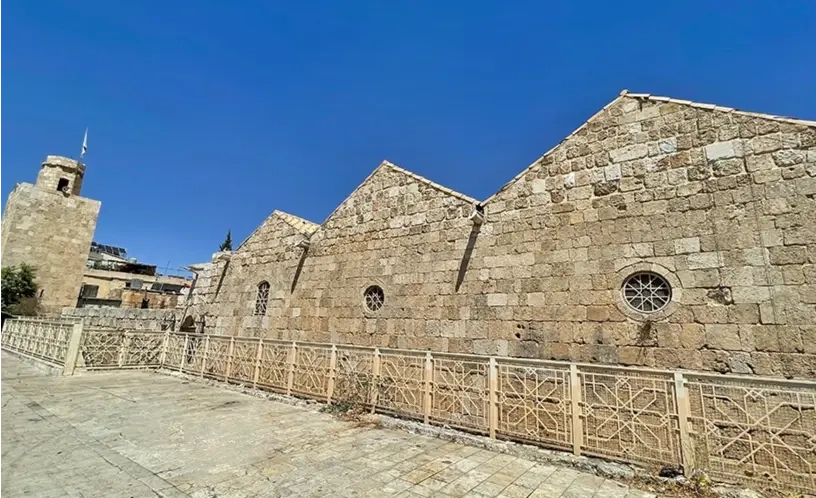
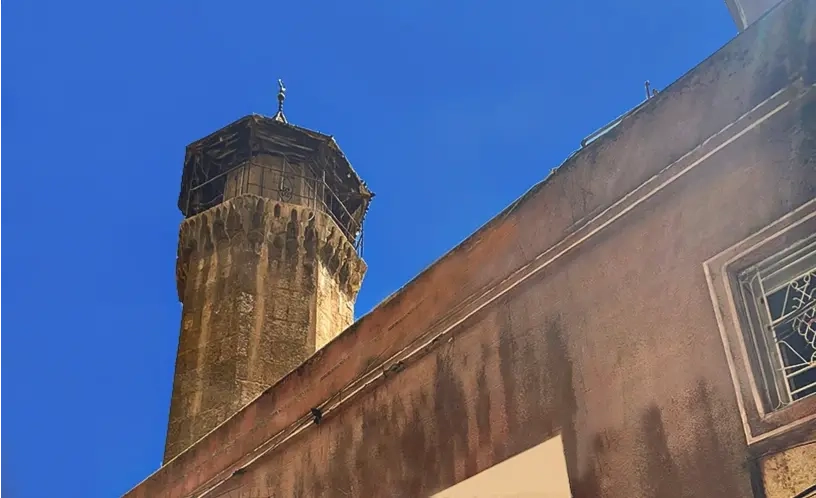
The Al Hanbali Mosque, which was originally built in the 12th century CE, underwent restoration during the Mamluk era in 1283, under the rule of Al-Mansour Qala'un. The north side of the mosque has a plaque indicating the restoration date. The mosque is dedicated to the followers of the Al Hanbali doctrine, which was prevalent in Damascus and Baalbek during that time. Its most notable feature is the hexagonal minaret located in the western corner. The interior of the mosque used to house a center for Quranic studies and a Zawiya, which is a space reserved for Sufis.
Baalbeck, Baalbek District
Mosque +1El-Nahr Mosque
Baalbeck, Baalbek District
Mosque +1El-Saghir Mosque
Baalbeck, Baalbek District
Archaeological site +2Qasr el Banat Temple
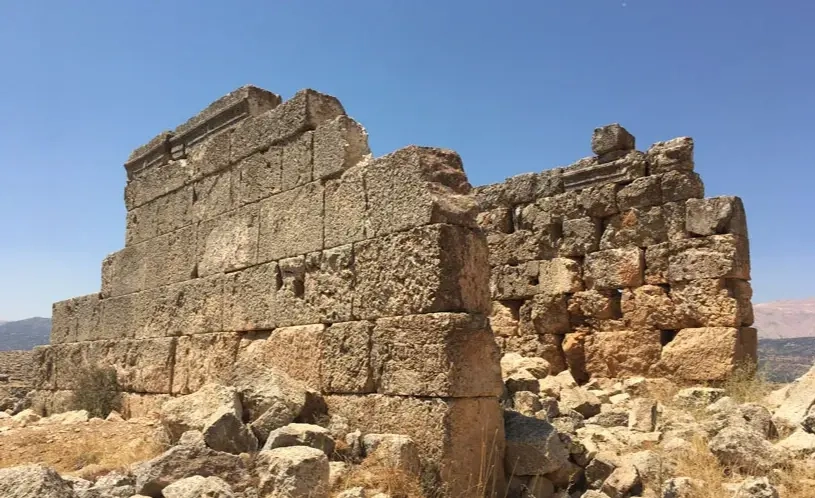
At over 1500 meters above sea level, on a high plateau above the village of Chlifa, lie the quiet ruins of Qasr el-Banat — one of the highest Roman temples in Lebanon. Its name, “The Maiden’s Palace,” hints at lost legends, but the architecture speaks to something else: a sanctuary built for the sky.
Likely erected between the 1st and 3rd centuries CE, this modest temple now preserves only some standing walls, scattered stones, and a breathtaking view of the Bekaa Valley below. There are no grand staircases or columns left, just the raw sense of altitude and stillness.
Far from the usual tourist paths, the site offers a deeply serene, almost mystical experience. Stone and wind seem to merge, and the fragments of antiquity are part of the landscape itself.
Qasr el-Banat may not impress by size, but it captivates by its solitude and altitude — a forgotten trace of ancient worship, still standing beneath the sky.
Chlifa, Baalbek District
Archaeological site +2Yammouneh Temple
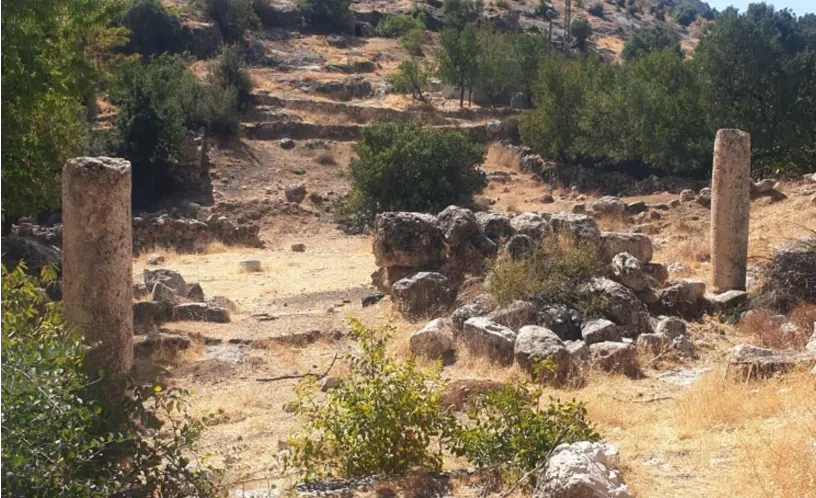
Located at an altitude of 1,400 meters in a spectacular natural basin at the foot of the western Anti-Lebanon range in Labenon, the ruins of Yammouneh temple stand near the Yammouneh Lake, fed by melting snow, which adds to the site's magical atmosphere.
A Roman sanctuary in a sacred natural site
The Yammouneh site was sacred long before the Romans arrived, likely linked to ancient Canaanite water and fertility cults. During the Roman period, it was transformed into a monumental temple, probably dedicated to Venus, goddess of love and water, or to Atargatis, a Syro-Phoenician deity. The temple’s remains reveal a rectangular structure made of large limestone blocks, with several walls still visible today.
A place of legends
Yammouneh is more than an archaeological site—it's a land of legends. According to local tradition, the goddess Astarte once bathed in the lake. Other stories speak of a sunken city or an ancient oracle beneath the waters. Tombs, cisterns, and canals on the site suggest it was designed for rituals and perhaps pilgrimages.
A moment of immersion in nature and heritage
Though the temple lies in ruins today, the atmosphere remains powerful. The calm of the lake, the mountain air, and the purity of the surroundings offer a rare symbolic experience. Yammouneh is ideal for a meditative break, a cultural hike, or an encounter with Lebanon’s untouched mountain landscapes.
Yammouneh, Baalbek District
Natural SiteAl Manbouh
Wadi Faara, Baalbek District
Col de montagne +1Nessef el Batrak
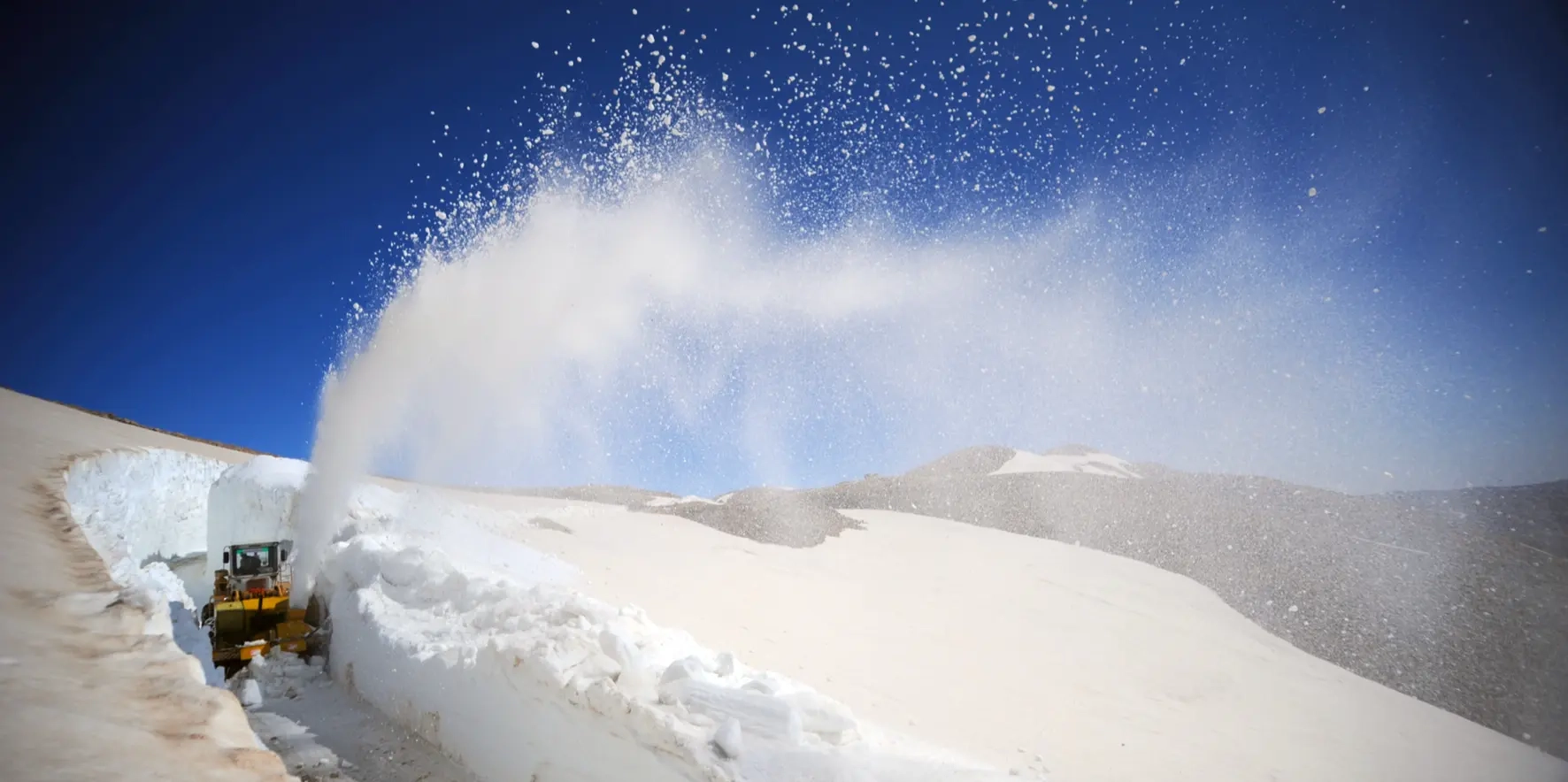
Nessef Al Batrak, also known as the Patriarch’s Divide, is a high-altitude mountain pass located near Bsharri in northern Lebanon. Rising to 2,560 meters above sea level, it offers one of the most striking viewpoints in the country, overlooking both the Bekaa Valley to the east and the Qadisha Valley to the west. On clear days, the horizon stretches to the Anti-Lebanon mountain range and across the vineyard-covered plains of the Bekaa.
This natural pass, shaped by steep cliffs and seasonal snowmelt, serves as a transitional point between Lebanon’s distinct geographic regions. It is also a destination of cultural significance. Oral traditions speak of Maronite patriarchs and shepherds using this route for centuries, linking it to both spiritual journeys and seasonal migration. The area’s natural springs feed into the Qadisha River, reinforcing its symbolic importance within the landscape.
Nessef Al Batrak is accessible via rugged mountain roads, recommended only for 4x4 vehicles or guided excursions. The site is part of a wider network of hiking trails connecting to the Cedars Forest and Qornet El Sawda, Lebanon’s highest peak. In summer, wildflowers dot the rocky terrain; in winter, snow creates a dramatic and often remote environment. Due to the elevation and exposure, visitors should be prepared for sudden weather changes and pack accordingly, even in warmer months.
The best time to visit is between May and October, when access is easiest and the trails are typically clear. Many visitors choose to combine this stop with a visit to nearby cultural landmarks, such as Rudy Rahme’s mountaintop sculpture, offering a unique pairing of nature and contemporary art.
Ainata, Baalbek District
Historical site +1Temple of Venus
The Temple of Venus, constructed in the third century AD, is located about 200 meters southwest of the larger Temple of Jupiter. It is much smaller in size and built on a horseshoe-shaped platform, which gives it its other name, the Circular Temple. A colonnaded street separates it from the Temple of Jupiter, and it is the last temple to be constructed in the province. The architect of this sanctuary wanted to showcase his superior skills and succeeded in doing so.
The Temple of Venus is distinguished from all other Baalbek Temples by its unique characteristics and features, earning it the title of the Temple of Fortune of Baalbek. During the Byzantine Era, the temple was converted into a church and dedicated to Saint Barbara, who is still revered as the Saint of Baalbek today. Visitors can also explore the nearby remnants of the Temple of Muses, which dates back to the 1st century AD.
Baalbeck, Baalbek District
Historical site +1Temple of Bacchus
This Temple, located in the World Heritage Site of Baalbek, is considered one of the best-preserved Roman structure remnants in the world. It served as a dominant model of neoclassical architecture with its impressive decorations. Although smaller than the temple of Jupiter, it is still an impressive structure with dimensions of 69m long x 36m wide x 31m high.
The sanctuary was constructed next to the courtyard ahead of the larger temple of Jupiter Baal. Initially, 42 Corinthian columns were built, but only 19 remain standing today, reaching 19 meters high. The temple was dedicated to the worship of the storm god Ba'al.
The Temple's refined carvings and inscriptions have survived from antiquity. The interior of the Temple features a main body measuring around 98ft, a sanctuary measuring around 36ft, and fronted by 13 steps raised on a 5ft platform.
The temple is renowned for its monumental dimensions, lavishly ornamented stonework, and overwhelming gate with Bacchic designs. The ornamental stone descriptions incorporate rows of lions and bulls, logos symbolically associated with the two deities.
Baalbeck, Baalbek District
Historical site +1Temple of Jupiter
The Temple of Jupiter, also known as ‘Roman Heliopolis’, was a holy complex dedicated to the belief of Zeus in Heliopolis of Roman Phoenicia, which is now known as Baalbeck in Lebanon. The sanctuary can be reached by an impressive stairway and is considered to be one of the largest temples of the Roman world, measuring approximately 88 x 48 meters. Although there are only six columns remaining today, each about twenty meters high and two meters wide, they give a clear idea of the original enormous size of the temple. It is believed that the Temple of Jupiter was constructed on top of an earlier Phoenician temple, using the same infrastructure and foundation.
Situated at an altitude of about 1100 meters on the east side of the Roman Empire, the construction of the temple was completed in several stages. Although it was almost finished during Nero's reign (54-68 AD), it was not inaugurated until the 3rd century, along with the other two temples. During the Byzantine era, it was referred to as the ‘Trilithon’ because of the three gigantic stones in its foundation and called the ‘Great Temple’ when taken together with the forecourt and Great Court.
Baalbeck, Baalbek District
MuseumMuseum of the Convent of the Miraculous Virgin
Nestled within the peaceful gardens of the Convent of the Miraculous Virgin in Ras Baalbek, this small, intimate museum offers a meaningful glimpse into the spiritual and rural heritage of northern Lebanon. Located beside the monastery’s church, it houses an eclectic collection of liturgical artifacts, ancient pottery, Greco-Roman coins, and traditional agricultural and domestic tools from the village's past.
Among the highlights are religious icons — including one said to have miraculously survived a fire in 1709 — stone-engraved crosses, votive offerings such as bracelets, crowns, and rosaries, as well as everyday items: carved wooden chests, clay cooking pots, amphorae, and old bottles once used to store oil or wine. Each object on display tells a story of faith, resilience, and cultural continuity.
Though modest in size, the museum is deeply rooted in local memory and offers visitors a touching encounter with the spiritual and artisanal legacy of this borderland village, all within the serene and historically rich setting of the monastery.
Ras Baalbek, Baalbek District
ChurchSaint Elian Rass Baalbeck
Ras Baalbek, Baalbek District
MuseumBaalbek Tunnel Complex
Baalbeck, Baalbek District
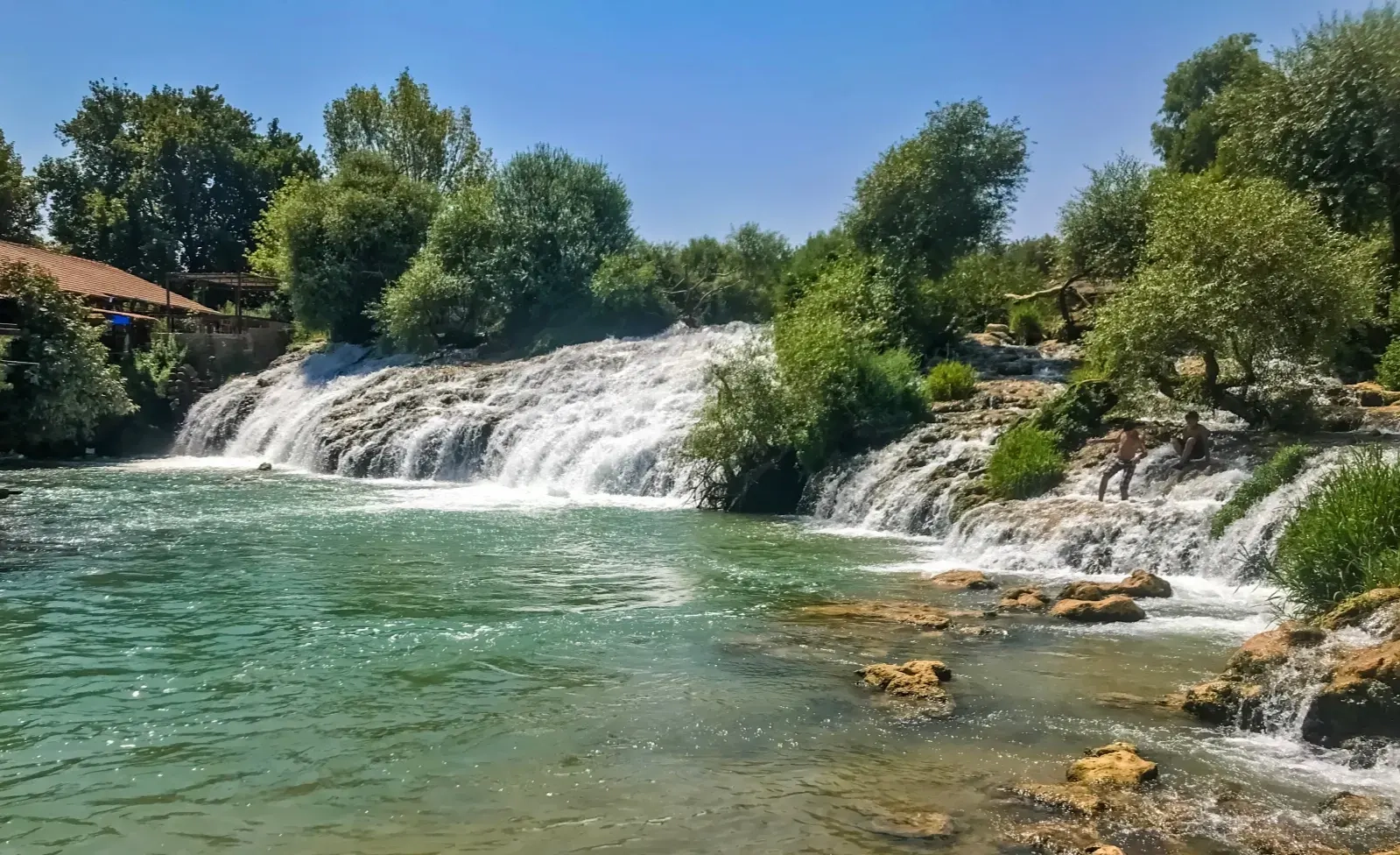
River +1Dardara Cascade
Mazraat Beit El Tachm, Hermel District
Archaeological site +3Temple of Laboué
The Temple of Laboué, located in the Bekaa Valley in Lebanon near the modern village of Laboué, is a Roman archaeological site reflecting the region's significance during antiquity. This small temple, of the "prostyle tetrastyle" type, featured a façade with four columns in front of the pronaos, oriented eastward to allow the morning light to illuminate the cella. Built on a tell at about 925 meters above sea level, it was situated near a spring feeding the upper course of the Orontes River, suggesting a probable connection to water or fertility deities. Today, only the massive foundations, the podium, and some blocks from the monumental staircase remain, bearing witness to its Roman religious architecture.
This temple is part of a group of Roman sanctuaries scattered throughout the Bekaa Valley. Excavations uncovered a Latin dedication confirming religious activity at the site, which held strategic importance. Open to the public, the Temple of Laboué offers valuable insight into Roman religious culture in Lebanon. Despite its partial state of preservation, it represents an important testimony for understanding cult practices and architecture in this historic region.
Labweh, Baalbek District
Archaeological site +2Temple of Nahlé
The Temple of Nahlé, located about 6 km northeast of Baalbek, is a ruined Roman sanctuary listed among the Temples of the Bekaa Valley. Its massive foundations and an imposing podium (approximately 4 meters high) bear witness to a significant temple structure, likely unfinished and lacking an external colonnade (peristyle). Traces of a carved inscription on the podium suggest a cultic function not only of local importance but also integrated into the broader Roman religious network of the region.
Built between the 2nd and 3rd centuries AD, the temple follows, according to several scholars, a tetrastyle prostyle layout (a façade with four columns), oriented to the east in accordance with Roman traditions. It featured a closed cella and an inner courtyard, remains of which include beam notches and passageways leading to internal staircases or crypts. The temple is also believed to have included a “long inscription” on the podium, though it is now nearly illegible.
Nahleh, Baalbek District
LakeYammouneh Dam and Lake
Yammouneh, Baalbek District
Forest +1Hermel Lazzab Forest
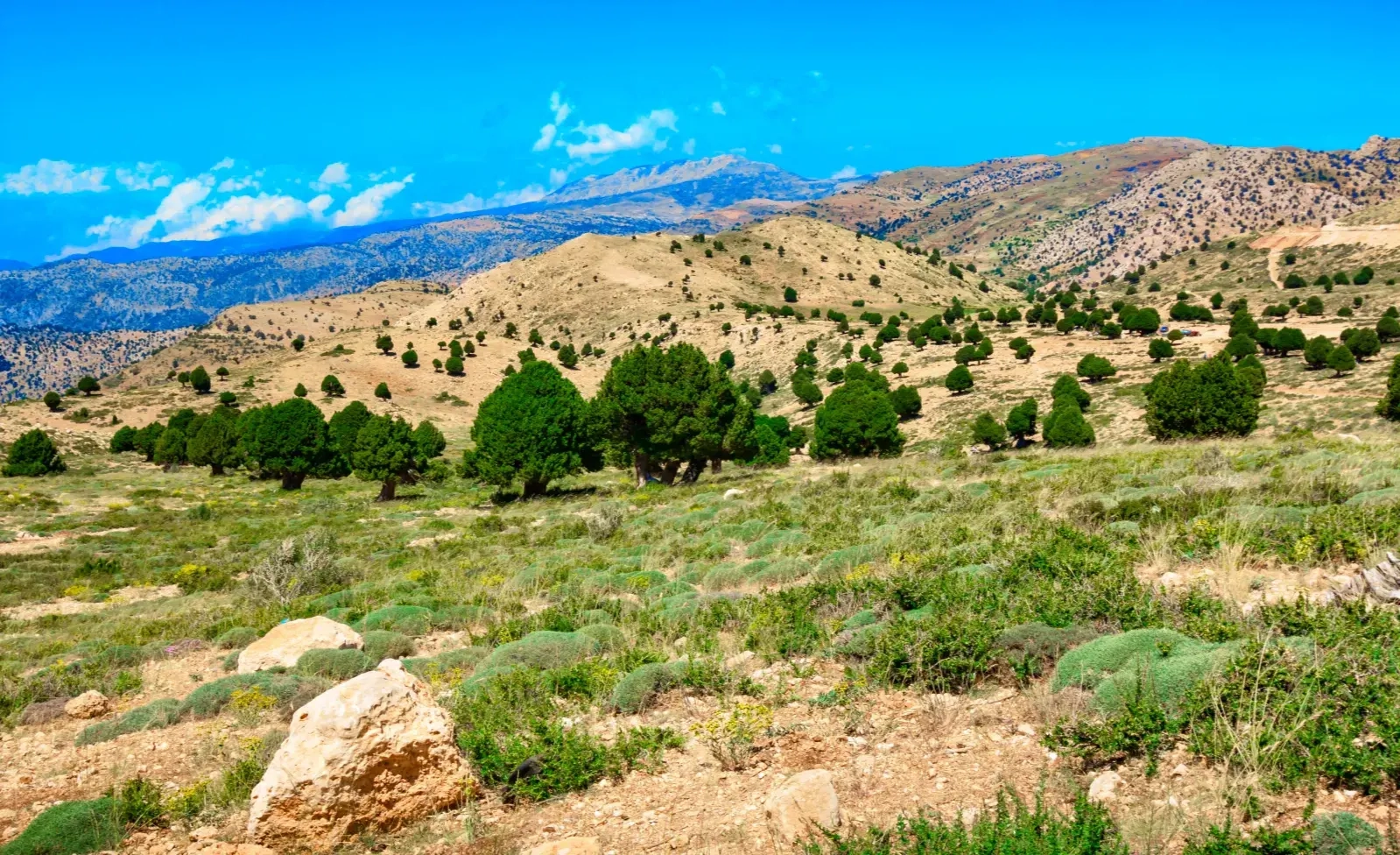
On the eastern slopes of Qornet el Sawda — the highest peak in Lebanon and the Levant — lies a vast forest of juniper trees (Juniperus excelsa, known locally as lazzab). These hardy trees thrive in the harsh conditions above 2,000 meters, where Lebanon’s iconic cedar trees can no longer grow.
Junipers are long-lived, reaching maturity between 50 and 60 years of age. Traditionally, their sap was used to produce tar, a natural remedy for treating skin conditions in livestock and a powerful repellent against insects and reptiles. The tree’s berries are well-known for their antioxidant properties and are used therapeutically to combat certain fungal infections.
The Hermel juniper forest is a unique natural heritage site — a resilient high-altitude ecosystem that reflects both Lebanon’s biodiversity and the age-old connection between rural traditions and the land.
Wadi Bniteh, Hermel District
Cultural CenterInstitut français du Liban à Baalbeck
Baalbeck, Baalbek District
ChurchBerbara Church
Baalbeck, Baalbek District
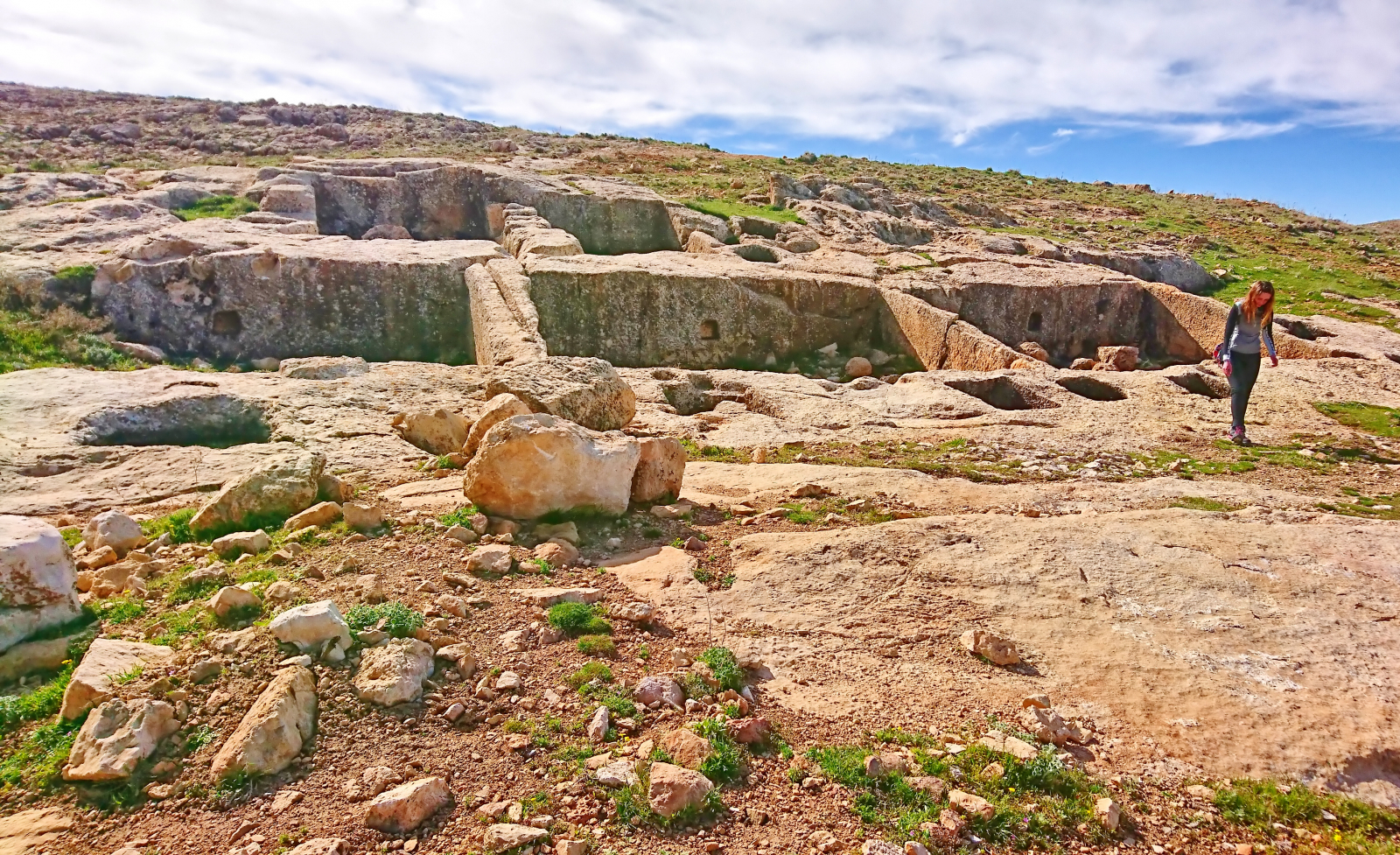
Archaeological site +2Moghr El Taheen
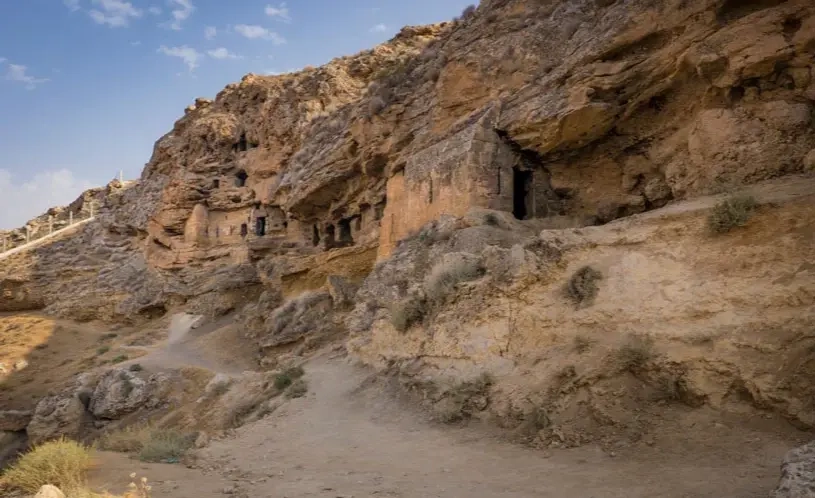
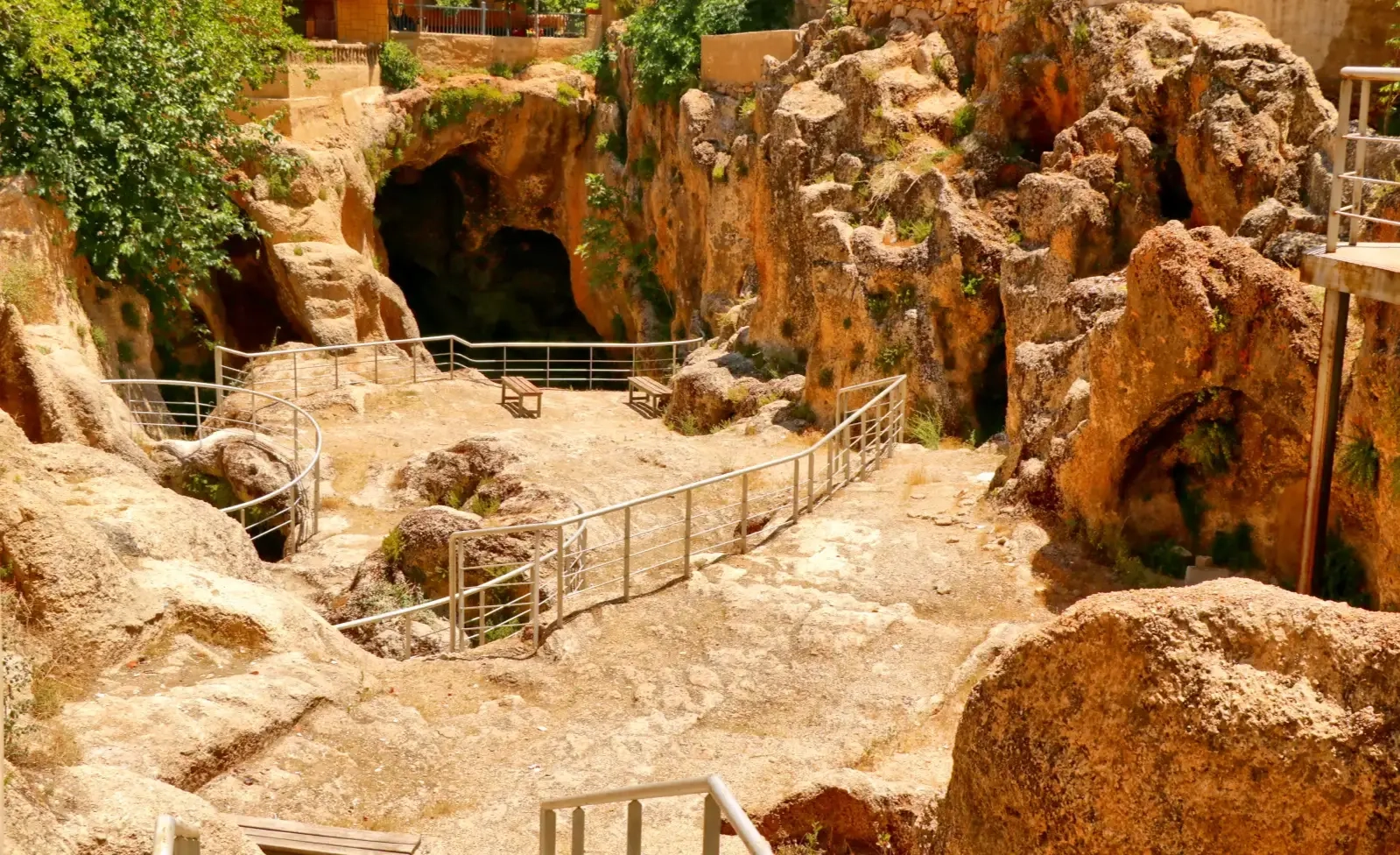
The site of Moghar El-Taheen (or Moghr el Taheen), is an archaeological site brought to light at the beginning of the 20th century thanks to the photographs of the German Todor Vigan. His images showed a site whose surface had collapsed due to natural factors. It consists of a series of interconnected caves and tunnels displaying interesting geological forms, and several gates, basements, storage vaults and cemeteries cut into the white, powdery limestone rock, which gave the site its name. (Which translates to "flour cave" in Arabic).
In antiquity, the site was a stone quarry. Remains of extraction channels are still visible, as well as some holes dug in the rock, which were meant to facilitate the transfer of the blocks.
In Roman times, the site was used as a cemetery - an Arcosolia, in which the dead are buried under stone-cut arcades, in ornamental rock sarcophagi or coffins made of perishable materials.
During the 20th century, the inhabitants of the region used the site as an open dump, creating major environmental and hygienic problems.
The site has been completely cleaned and rehabilitated successfully within the framework of a project led by UN-Habitat and financed by the Italian Agency for Development Cooperation, in partnership with the municipality of Baalbek, the General Directorate of Antiquities, and the Lebanese Association for Coexistence and Development. It has become a historical tourist site, which the inhabitants of the region can also enjoy.
Baalbeck, Baalbek District
MonasterySaint Romanos Monastery
Ras Baalbek, Baalbek District
Natural Site +1Colline rouge du Jurd Ras Baalbek
Ras Baalbek, Baalbek District
ChurchSaint George Church, Baalbek
Baalbeck, Baalbek District
Gardens & ParksRas El Ain Park
Baalbeck, Baalbek District
ChurchSaint Elias Church
Kaa, Baalbek District
MonasteryCouvent de Jabboulé
Jabbouleh, Baalbek District
ChurchSaint Joseph Church
Deir el Ahmar, Baalbek District
Monastery +1Monastère Notre-Dame-du-Rosaire
Deir el Ahmar, Baalbek District
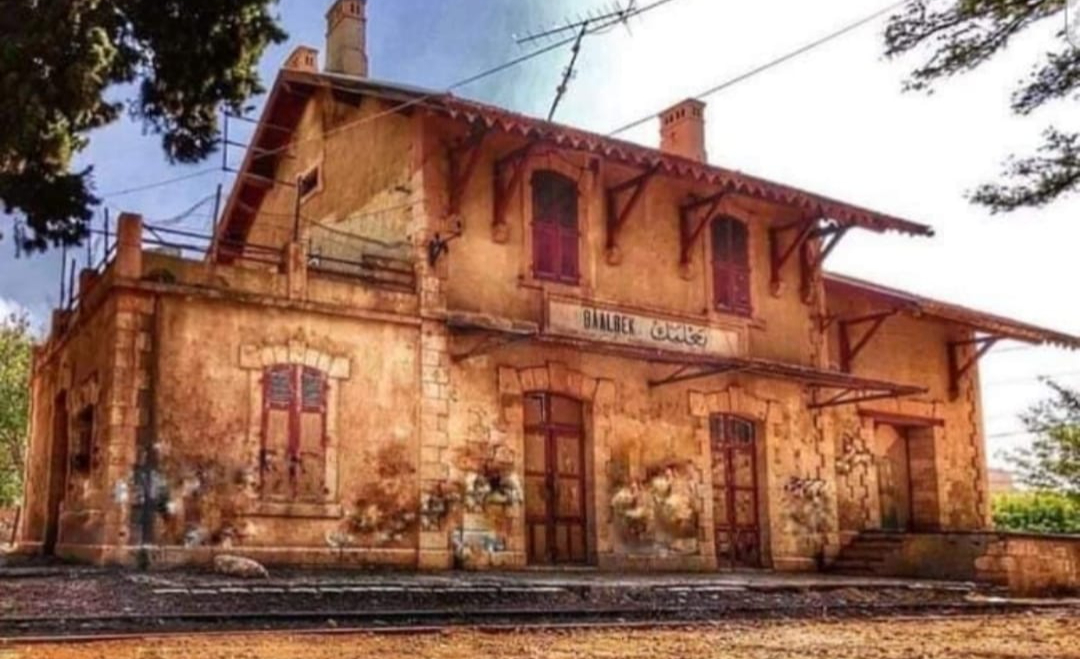
Monuments & Points d'intérêt +1Baalbek Train Station
Baalbeck, Baalbek District
Historical site +1L'ancien pressoir du Jurd
Baalbeck, Baalbek District
Cultural CenterHeritage and Culture Forum Library
Hermel, Hermel District
Historical site +1El-Sa’dine Dome
Constructed as a burial field for the Mamaleek chief commanders of Baalbeck in 1409, Qoubbat el-Sa’adin (El-Sa’dine Dome) is a two-room mausoleum that’s situated not far from the City Gate.
Baalbeck, Baalbek District
Cultural CenterHermel Municipal Public Library
Hermel, Hermel District
Cultural CenterNabi Chit Municipal Public Library
Nabi Chit, Baalbek District
Natural SiteMar Koulia cliff
Ras Baalbek, Baalbek District
ChurchSanctuaire Saint-Thomas
Ras Baalbek, Baalbek District
ChurchSaint Peter and Paul church
Deir el Ahmar, Baalbek District
MonasteryBeit Maroun Monastery
Beit Habchi, Baalbek District
ChurchSaint John Church
Mrah El Aassi, Baalbek District
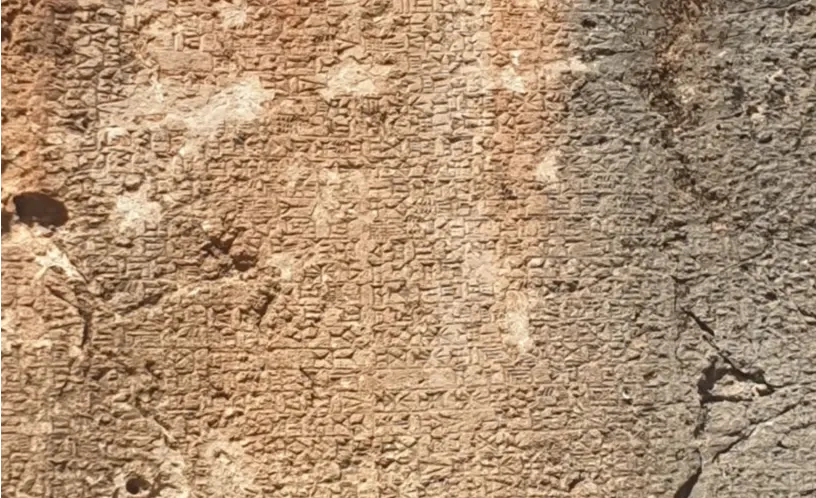
Historical siteWadi Brisa Inscriptions
During his reign from 605 to 562 BCE, King Nebuchadnezzar II turned Babylon into a dominant empire, expanding its influence across large parts of the Levant and Syria.
To assert his authority and leave a lasting mark, he commissioned inscriptions and bas-reliefs to be carved into rock faces at carefully chosen, highly visible sites — along mountain paths, deep in valleys, and in forested areas.
In Lebanon, four such sites have been identified so far. These testify to the king’s strategic interest in local resources, particularly cedar wood, which was vital for his various construction projects. One of the most notable sites is Brisa, located in the northern Bekaa Valley near the town of Hermel. There, two well-preserved engravings can be seen on the rocky walls of a ravine known as Ouadi ech-Charbine.
The first inscription, written in Old Babylonian script, is paired with a carved relief depicting a dramatic hunting scene: a bearded man in a long robe battling a lion — a symbolic portrayal of the king himself.
The second, inscribed in Neo-Babylonian cuneiform, shows the monarch standing before a leafless tree, in a composition that appears both enigmatic and solemn.
The ArchéOrient blog offers a fascinating contextualization of these inscriptions, and we highly encourage you to read the dedicated article.
Brissa, Hermel District
Historical siteRuines de Brissa
Brissa, Hermel District
Sommet montagneuxJabal Braïssé
Brissa, Hermel District
What is MOOVTOO ?PartnersContact usFAQLegal MentionsData Protection PolicyTerms and ConditionsCheck out our privacy policy